

Think midnight is the best time to watch meteor showers? Think again.
The Eta Aquarid meteor shower peaks the morning of May 5, 2026 (03:51 UTC), with strong viewing windows on May 4 and 6 too.
If you want the best show, aim for the pre-dawn hours, find a dark spot, and block the moon when you can.
This guide explains where the radiant sits in Aquarius, what rates to expect by latitude, and simple tips to boost your count.
No telescope needed, just eyes, patience, and an hour or so before sunrise.
Peak Viewing Guide for the Eta Aquarid Meteor Shower
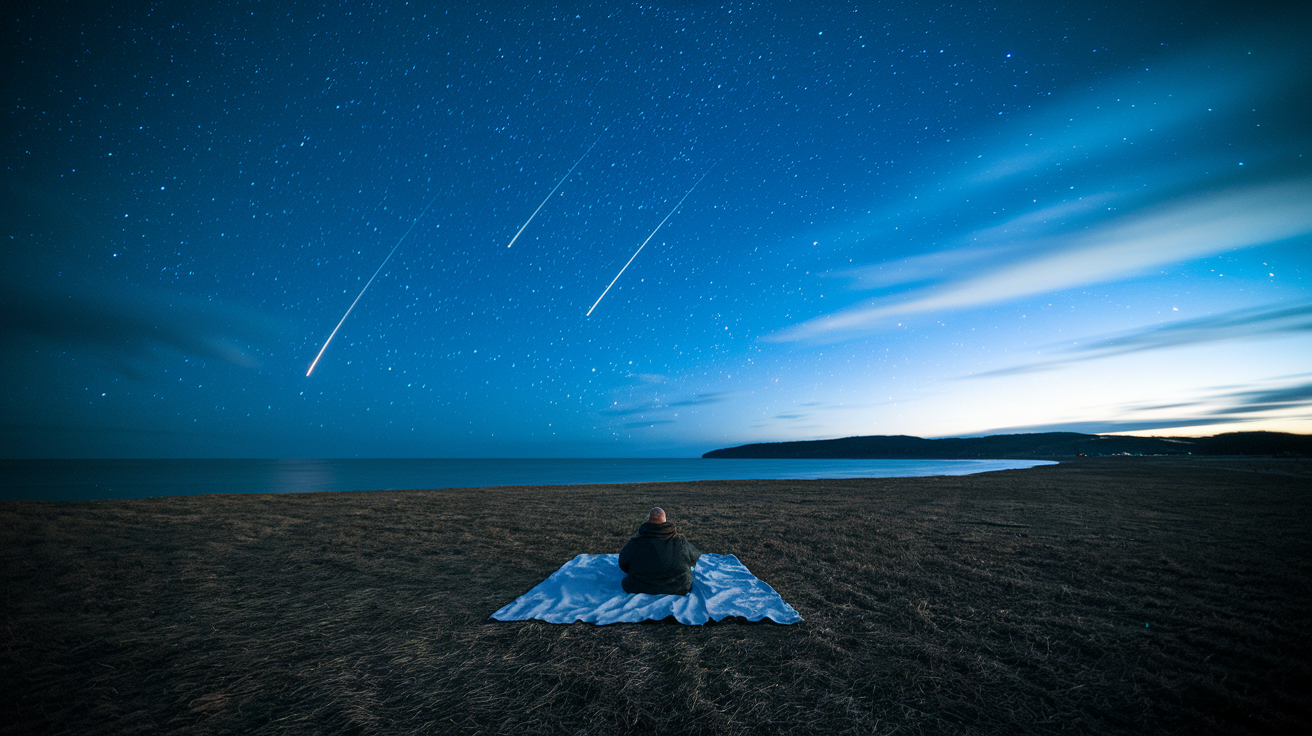
The Eta Aquarid meteor shower hits its peak on the morning of May 5, 2026. The American Meteor Society puts maximum activity at 03:51 UTC. That’s your best window, but don’t stress if you can’t make it. The mornings of May 4 and May 6 still deliver strong counts, so clouds or a work shift won’t ruin everything. The shower technically runs from April 15 through May 27, but rates outside those three peak mornings drop off fast.
Under perfect conditions (dark sky, no moon, radiant straight overhead), the zenithal hourly rate sits around 60 meteors per hour. Real life doesn’t work that way. If you’re in the Southern Hemisphere or the southern U.S., expect something closer to 30 or 40 meteors per hour during peak mornings. Far northern latitudes see the radiant barely scrape the horizon, so counts drop to half that or less. Geography matters here. The Southern Hemisphere gets higher radiant altitude and longer viewing windows, making the Eta Aquarids one of the best showers of the year down there.
The radiant rises in the early morning and reaches its highest point just before sunrise. That means your prime window is always the few hours before dawn. Moonlight’s going to interfere in 2026, though. Last quarter moon happens at 21:10 UTC on May 9, so a waning gibbous moon will hang around in post-midnight skies during peak mornings. It’ll wash out fainter meteors. You can block it with trees, a building, or a hillside to improve your count.
Quick viewing checklist:
- Watch during pre-dawn hours, ideally from around 2:00 a.m. local time until sunrise
- Pick a dark site away from city lights with an open view
- Expect typical rates of 30 to 40 meteors per hour if conditions cooperate (Southern Hemisphere, dark sky)
- A waning gibbous moon will be out, so use natural features to block it
- Stay outside for at least an hour. Meteors come in bursts with quiet gaps between them
Radiant Point and Sky Position for the Eta Aquarids
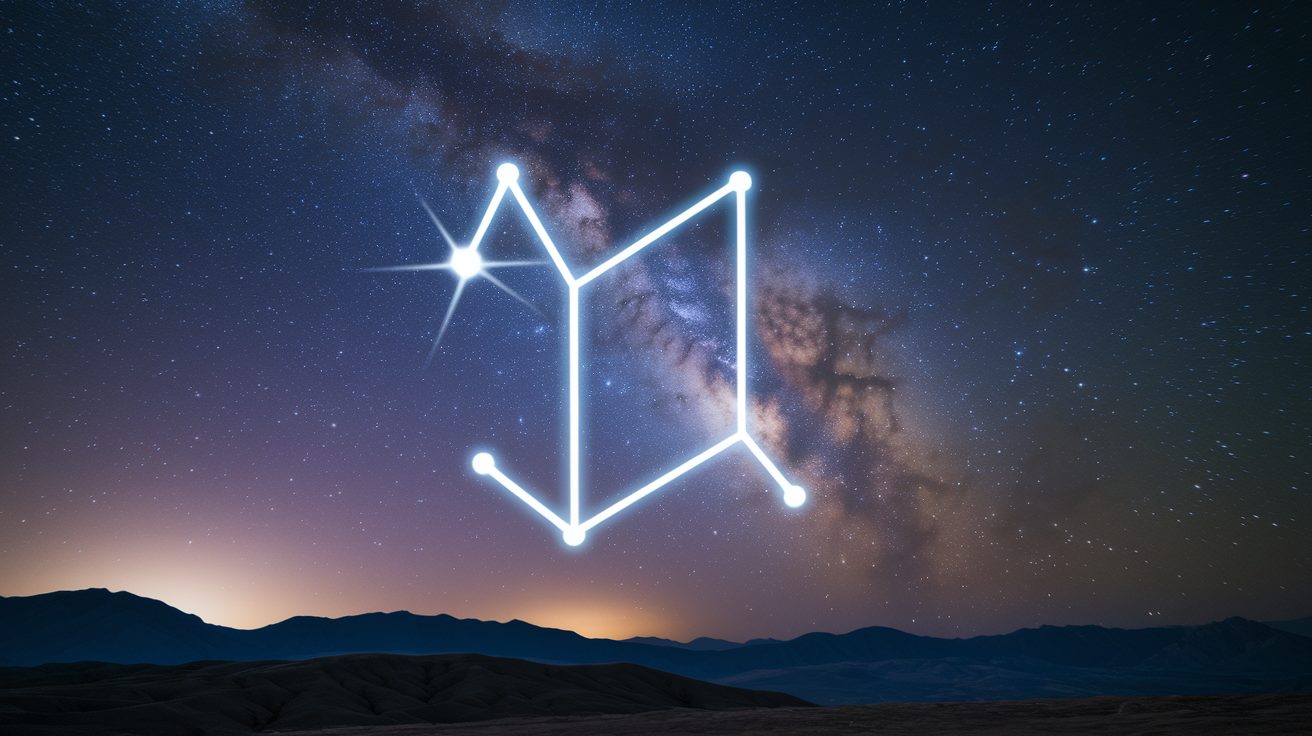
The Eta Aquarid radiant sits in the constellation Aquarius, almost lined up with the faint star Eta Aquarii inside a Y-shaped asterism called the Water Jar. The radiant rises in the east during early morning hours and climbs higher as dawn gets closer. You don’t need to stare directly at it. Meteors come from that point but streak across the whole sky, so scanning broadly gives you the best shot at catching them. The higher the radiant sits above your horizon, the more meteors you’ll see per hour. That’s why pre-dawn hours produce the best counts.
Finding Aquarius isn’t hard if you know where to look. In early May, it rises in the southeastern sky after midnight. If you can spot the Great Square of Pegasus (a big box of four bright stars), Aquarius sits below and to the east. The Water Jar asterism is a compact group of four stars forming a small Y or upside-down Y. Eta Aquarii is one of those stars. Stargazing apps help, but bright screens kill your night vision. Use them sparingly and switch to red-light mode if your app has it.
Quick steps to find the radiant:
- Face southeast after midnight
- Look for the Water Jar asterism, a small Y-shaped group of stars
- Find Eta Aquarii within that asterism. That’s your radiant
- Scan the whole sky instead of staring at one spot, since meteors appear everywhere
Origin of the Eta Aquarid Meteors and Connection to Halley’s Comet
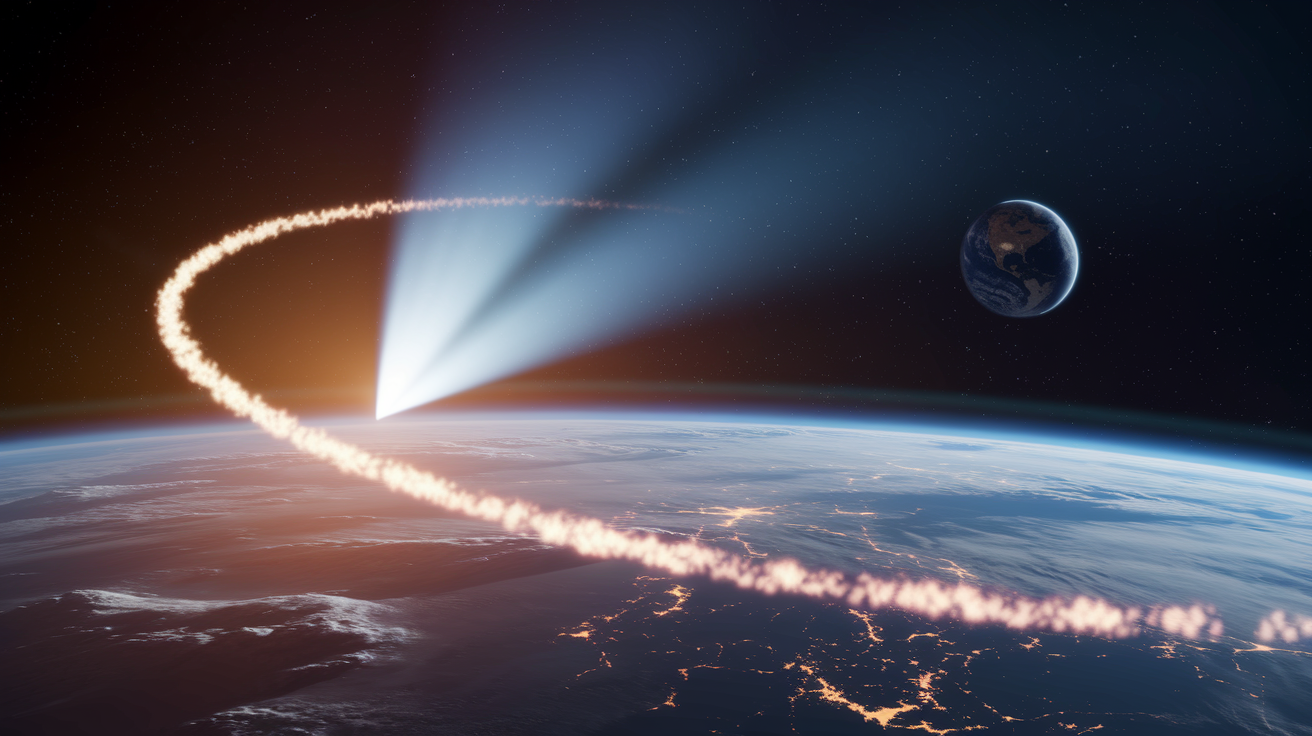
The Eta Aquarid meteor shower comes from debris left behind by Halley’s Comet. As Halley orbits the Sun, it sheds dust, ice, and tiny rock fragments. These particles spread out along the comet’s orbital path, forming a long stream of material. Each year in early May, Earth passes through this stream. The debris burns up in our atmosphere, creating the bright streaks we call meteors.
Halley’s Comet follows a retrograde orbit. It travels around the Sun in the opposite direction to the planets. It completes one full loop roughly every 76 years, though the actual period varies between 74 and 79 years. The comet last reached aphelion (its farthest point from the Sun) in December 2023 and is now slowly heading back inbound. Its next close approach to Earth happens in 2061. Right now, Halley is moving at about 0.6 miles per second (0.9 kilometers per second), far out in the cold reaches of the solar system.
Earth encounters Halley’s debris stream twice each year. The May passage produces the Eta Aquarids. The October passage produces the Orionid meteor shower. Both showers share the same parent comet, but the viewing conditions, radiant positions, and geographic favorability differ. The debris itself consists of small grains, most no larger than a pea. But when these grains slam into Earth’s atmosphere at tens of miles per second, friction heats them to incandescence. They vaporize roughly 60 miles (100 kilometers) above the surface.
Detailed Meteor Activity Factors and Viewing Conditions
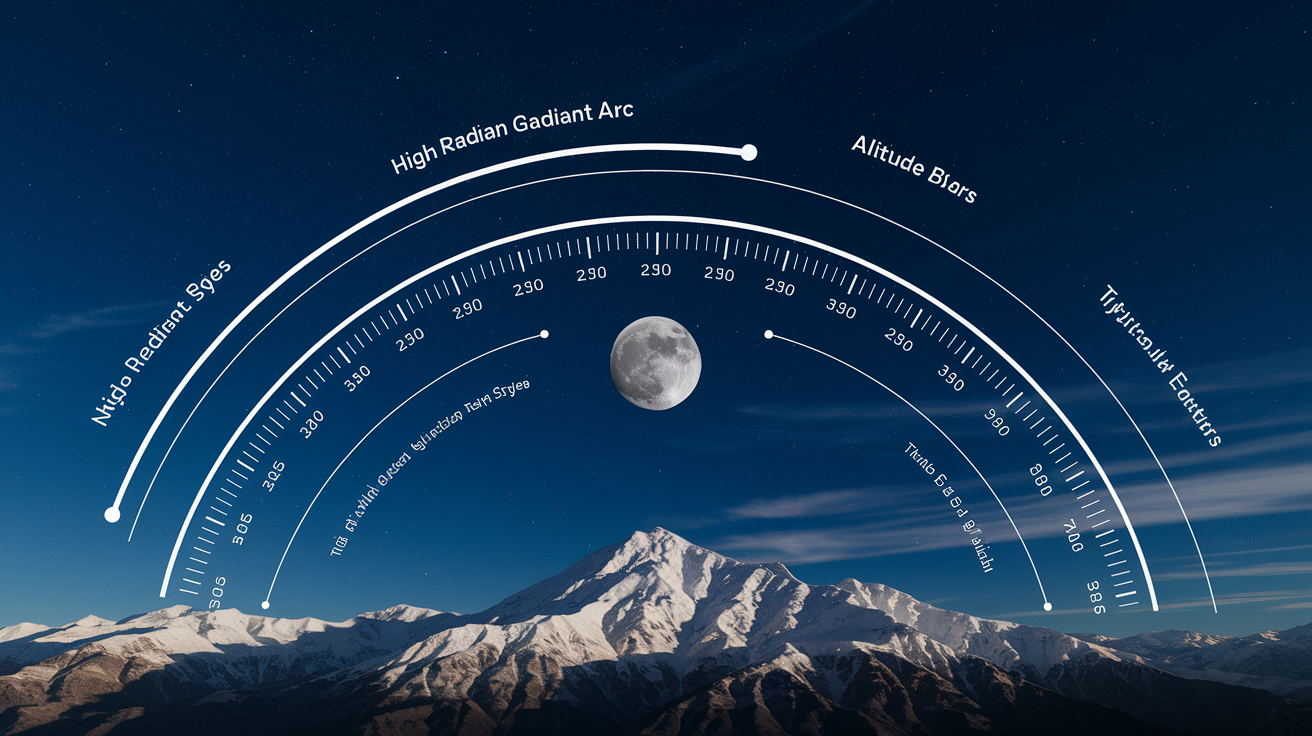
The zenithal hourly rate (ZHR) assumes perfect conditions: a radiant directly overhead, a completely dark sky with no moon, and an observer with an unobstructed 360-degree view. For the Eta Aquarids, the ideal ZHR is about 60 meteors per hour. Real-world conditions are never ideal, so observed rates drop. The radiant altitude (how high the radiant sits above your horizon) has the biggest effect on your counts. When the radiant is low, meteors have to travel through more atmosphere at a shallow angle. Many burn up before becoming visible. When the radiant is high, meteors appear more frequently and brighter.
Moonlight cuts meteor counts by drowning out faint meteors. During the 2026 peak, a waning gibbous moon will sit in the pre-dawn sky, competing with all but the brightest meteors. Blocking the moon with terrain or structures helps, but it doesn’t eliminate the sky glow it creates. Atmospheric clarity plays a role too. Haze, humidity, and light pollution all scatter light and reduce contrast, making fainter meteors invisible. A crisp, dry, moonless night far from city lights always produces higher counts than a hazy suburban sky.
Your location determines radiant altitude and therefore meteor rates. The Southern Hemisphere sees the radiant rise earlier and climb higher, so observers there get the best views and highest counts. Southern U.S. latitudes see moderate radiant altitude and decent rates. Far-northern observers see the radiant barely clear the horizon before dawn, so their counts are the lowest. Patience matters too. Meteors arrive in short bursts separated by quiet intervals, so a single five-minute glance won’t capture the shower’s full activity.
| Region | Typical Observed Rate | Key Influencing Factor |
|---|---|---|
| Southern Hemisphere | 30–40 meteors per hour | High radiant altitude before dawn |
| Southern U.S. | 20–30 meteors per hour | Moderate radiant altitude, shorter viewing window |
| Northern U.S. and Canada | 10–20 meteors per hour | Low radiant altitude, limited pre-dawn elevation |
Practical Viewing Tips for Watching the Eta Aquarid Meteor Shower

No special equipment required. Your eyes are the best tool. Binoculars and telescopes restrict your field of view, so they actually make it harder to catch meteors. The key to a good meteor-watching session is preparation: find a dark site, give your eyes time to adjust, and stay comfortable so you can remain outside long enough to see the shower’s bursts of activity.
Start by choosing a location with the darkest sky you can reach. City and suburban light pollution washes out faint meteors, so driving to a rural area, a state park, or an open field away from streetlights pays off. Once you arrive, turn off all lights. Car headlights, flashlights, phone screens. Let your eyes adapt to the darkness. Full dark adaptation takes 20 to 30 minutes. Every time you look at a bright screen, you reset the process. If you need a light, use a red flashlight or switch your phone to red-screen mode, which preserves night vision better than white light.
Lie flat on your back on a blanket or reclining chair. Look straight up. Meteors can appear anywhere in the sky, so scanning broadly works better than staring at one spot. Dress warmer than you think you need to. Pre-dawn hours are the coldest part of the night, and lying still makes you feel even colder. Stay outside for at least one hour. Meteors arrive in clusters and lulls, so a short visit might catch a quiet interval and miss the bursts.
Setup and comfort checklist:
- Find a dark site far from artificial lights
- Allow 20 to 30 minutes for your eyes to fully adapt to darkness
- Lie flat or use a reclining chair to view comfortably without neck strain
- Avoid looking at bright screens. Use red light only if necessary
- Dress in layers and bring a blanket. Pre-dawn temperatures drop significantly
- Plan to stay outside for at least one hour to catch bursts of activity
- Scan the entire sky rather than focusing on a single area
Astrophotography Tips for Capturing Eta Aquarid Meteors
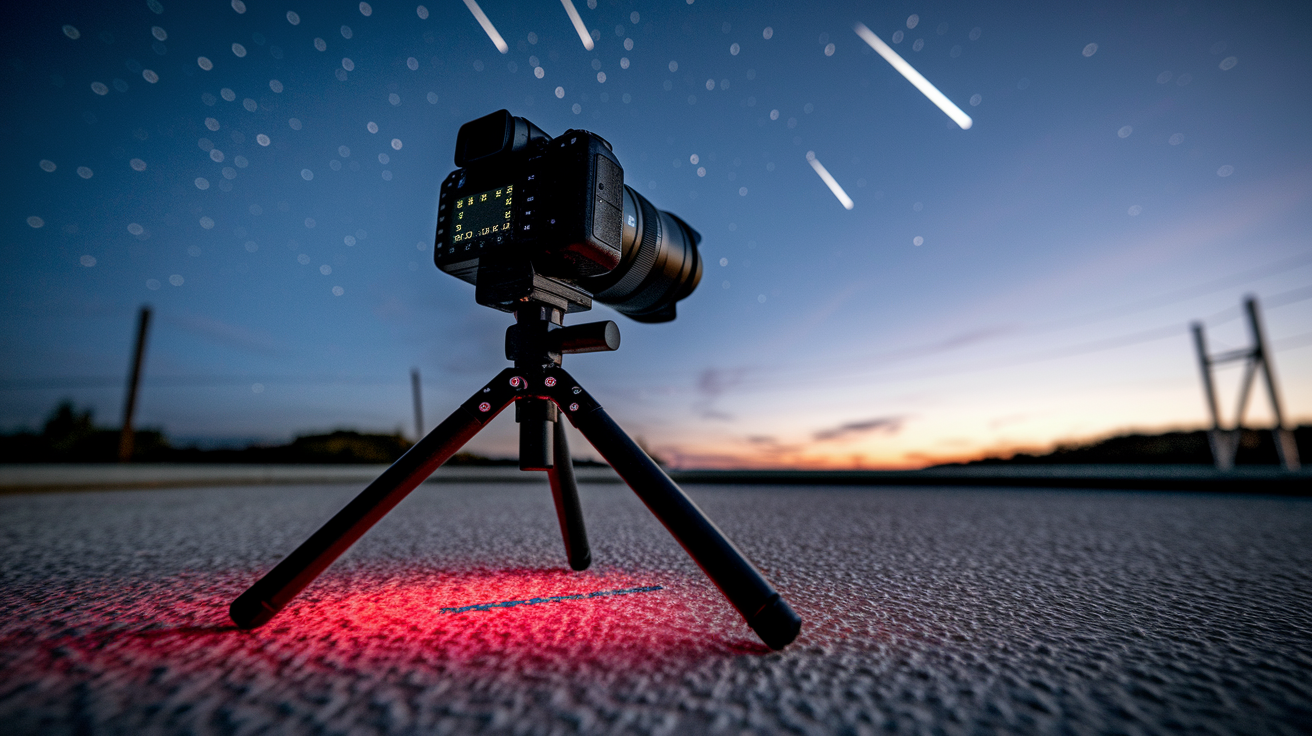
Photographing meteors requires patience and the right camera settings, but the process is straightforward. Use a camera that lets you control exposure, ISO, and aperture manually. A wide-angle lens (14mm to 35mm) captures more sky and increases your chances of catching a meteor in the frame. Mount your camera on a sturdy tripod, aim it at a dark patch of sky away from the moon and light pollution, and shoot continuous long exposures throughout the peak hours.
Set your aperture as wide as it will go (f/2.8 or lower if possible) to gather as much light as possible. Use an ISO between 1600 and 3200. High enough to capture faint meteors but not so high that noise overwhelms the image. Exposure time depends on sky brightness and whether you want to track stars or allow them to trail slightly. A 15 to 30-second exposure works well in dark skies. If your sky is brighter or the moon is out, shorten the exposure to 10 to 15 seconds to avoid overexposing the frame. Shoot in RAW format for maximum post-processing flexibility.
Meteor photography is a numbers game. Most frames won’t contain a meteor, so shoot continuously and review later. Use an intervalometer or your camera’s built-in interval timer to automate the process. Compose your shot to include interesting foreground elements. Trees, hills, or structures add context and scale. Keep the moon out of the frame if possible, since it brightens the sky and reduces meteor contrast. After the session, sort through your images and stack the frames containing meteors to create a composite showing multiple trails across one sky.
Quick camera setup guide:
- Wide-angle lens (14–35mm) for maximum sky coverage
- Aperture wide open (f/2.8 or lower)
- ISO 1600–3200, balancing sensitivity and noise
- Exposure 15–30 seconds in dark skies, shorter if moonlit
- Shoot continuously using an intervalometer or interval timer
Final Words
in the action, this guide laid out when and where to watch: May 5 is the peak morning (03:51 UTC), with strong showings also on May 4 and 6 and an active window from April 15 to May 27. Expect an ideal ZHR near 60 but typical observed rates around 30–40 per hour, often higher in the Southern Hemisphere.
We covered the radiant by Eta Aquarii, Halley’s Comet as the source, and key viewing and camera tips.
For the eta aquarid meteor shower, head out before dawn, give your eyes 20–30 minutes, stay at least an hour, and enjoy the sky. Clear skies and good viewing.
FAQ
Q: Where can I see the Eta Aquarids meteor shower?
A: The Eta Aquarids meteor shower is best seen from dark-sky sites in the Southern Hemisphere and low northern latitudes, looking toward the eastern pre-dawn sky near Aquarius.
Q: What time is the meteor shower on May 5th and what is the best time to see it?
A: The meteor shower on May 5th peaks at 03:51 UTC in 2026; the best time to see it is the pre-dawn hours around that peak, roughly 02:00–05:00 local time.
Q: What time is the meteor shower on the 29th of July?
A: The meteor shower on July 29 does not apply: the Eta Aquarids are active April 15–May 27, so you won’t see Eta Aquarid activity on July 29.