

Worried a bright moon will wash out the Leonid meteor show in 2026?
The Leonids peak around midnight UTC on November 18 (late evening Nov 17 in the Americas), with activity from Nov 3 to Dec 2 as Earth crosses dust from Comet Tempel‑Tuttle.
Your best window is late night Nov 17 into pre‑dawn Nov 18 when the radiant rises, but first‑quarter moonlight will cut many faint meteors—expect only a handful per hour under real skies.
Read on for where to go, how to set up, and what to look for so you still get a rewarding show.
Peak Dates and Best Viewing Conditions for the Leonid Meteor Shower in 2026
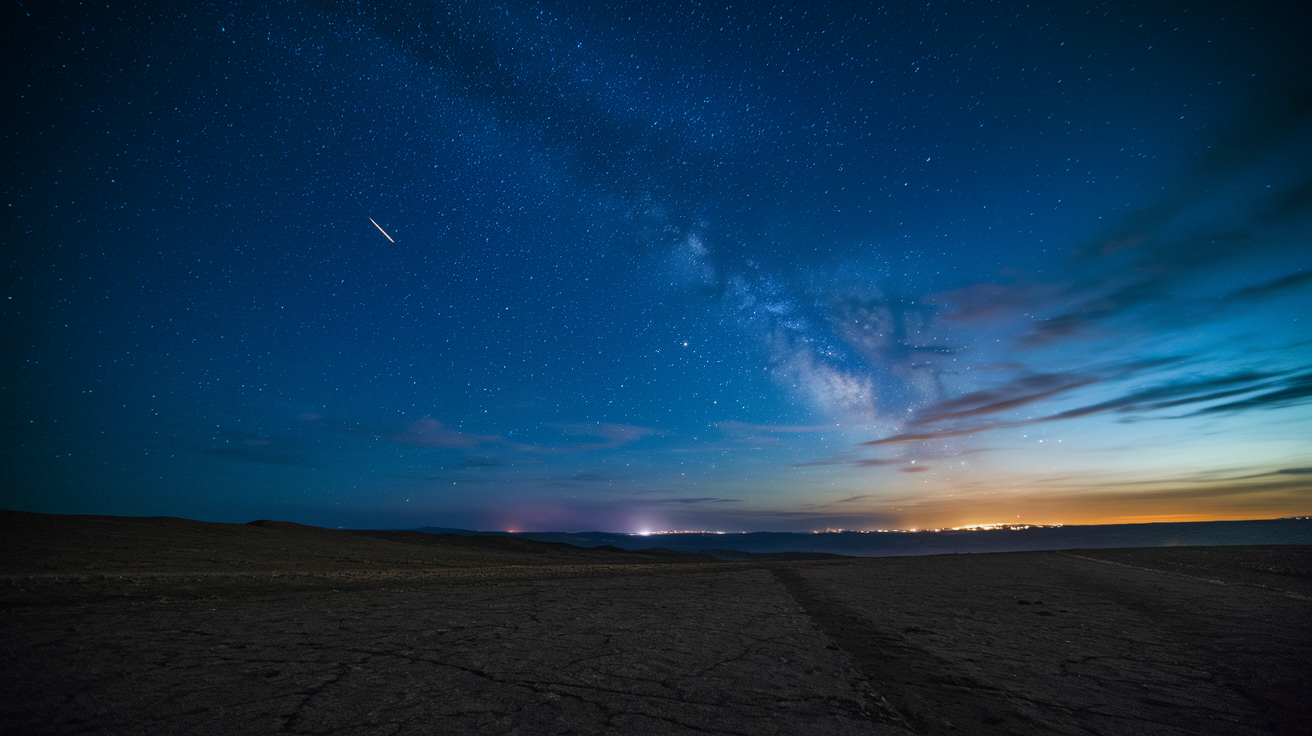
The 2026 Leonids peak around midnight UTC on November 18. If you’re in the Americas, that’s late evening November 17, right as the clock ticks toward the 18th. The shower stays active from roughly November 3 through December 2 as Earth crosses the dusty trail left by Comet Tempel‑Tuttle.
Your best window runs from late night November 17 into dawn on the 18th. The radiant, that spot in Leo where meteors seem to fan out from, rises around local midnight and climbs highest before sunrise. You’ll catch the most meteors in those pre‑dawn hours when the radiant sits well above the horizon and Earth’s forward motion sweeps us into more particles.
Moon interference is going to be a problem in 2026. First quarter falls at 11:48 UTC on November 17, so bright moonlight will wash out fainter meteors for much of the night. Expect lower counts than you’d see during a new moon year. Many of the dimmer Leonids just won’t show up against the glow.
For the best shot at maximizing your count:
- Get to a dark site, far from city lights and streetlamps
- Clear skies matter. Low humidity and minimal cloud cover make a difference
- Position yourself facing away from the moon to cut glare
- Find flat or elevated ground with a wide, unobstructed view
- Cool, dry air tends to sharpen visibility
Under perfect dark skies without moon interference, typical Leonid activity delivers a zenithal hourly rate (ZHR) around 10 to 15 meteors per hour. In 2026? Expect maybe 5 to 10 per hour if you’re patient and conditions are good but not perfect. Less if you’re fighting moonlight and light pollution.
Understanding the Leonid Meteor Shower’s Origins and Connection to Comet Tempel‑Tuttle
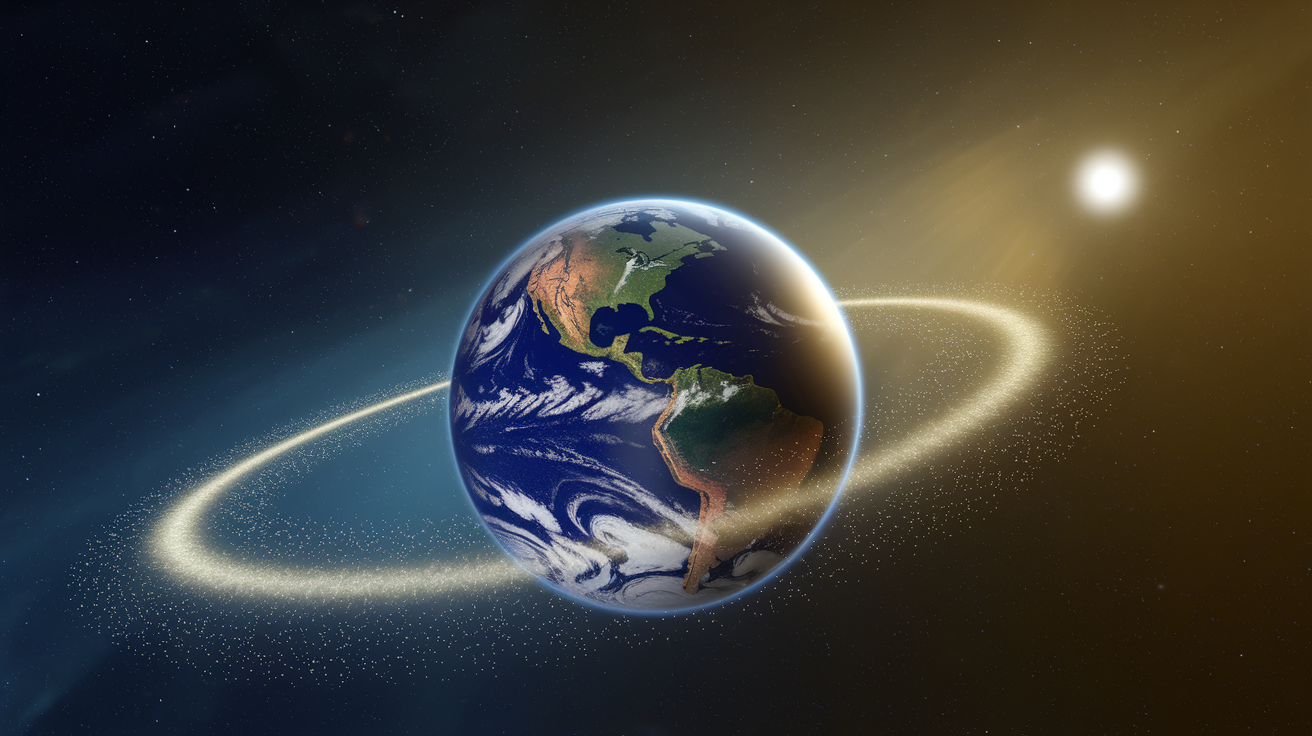
The Leonids exist because Earth passes through a river of dust left by Comet 55P/Tempel‑Tuttle. German astronomer Ernst Tempel discovered the comet on December 19, 1865. American astronomer Horace Tuttle independently recovered it on January 5, 1866. The comet’s orbital period is about 33.17 years, one lap around the Sun every three decades or so. Astronomers recovered it at sixteenth magnitude in 1965, and during its 1998 return it brightened enough to spot with binoculars.
Tempel‑Tuttle’s next swing through the inner solar system should happen in early 2031. Each time the comet rounds the Sun, solar heating vaporizes ices and kicks out fresh dust and rock fragments that spread along the comet’s orbit. Over centuries, those particles form long, braided filaments. Some dense, some sparse. Earth crosses them every November.
When Earth hits a dense, freshly shed dust trail from a specific comet return, meteor rates can spike hard. Most years we pass through older, more spread‑out material that produces steady but modest activity. Sometimes gravitational nudges from Jupiter and Saturn shift the position of narrow filaments, steering them into or out of Earth’s path. That’s what causes storm‑level outbursts or quiet years.
| Comet Return Year | Notable Effects on Leonids |
|---|---|
| 1965 | Comet recovered at magnitude 16; led to enhanced Leonid rates in mid‑1960s, including the major 1966 storm. |
| 1998 | Bright return visible in binoculars; fresh dust produced notable Leonid outbursts in 1999, 2000, and 2001. |
| 2031 (predicted) | Next perihelion; models will assess whether Earth intersects any dense trails from this or prior returns. |
Radiant Location in Leo and How to Find Leonid Meteors in the Sky
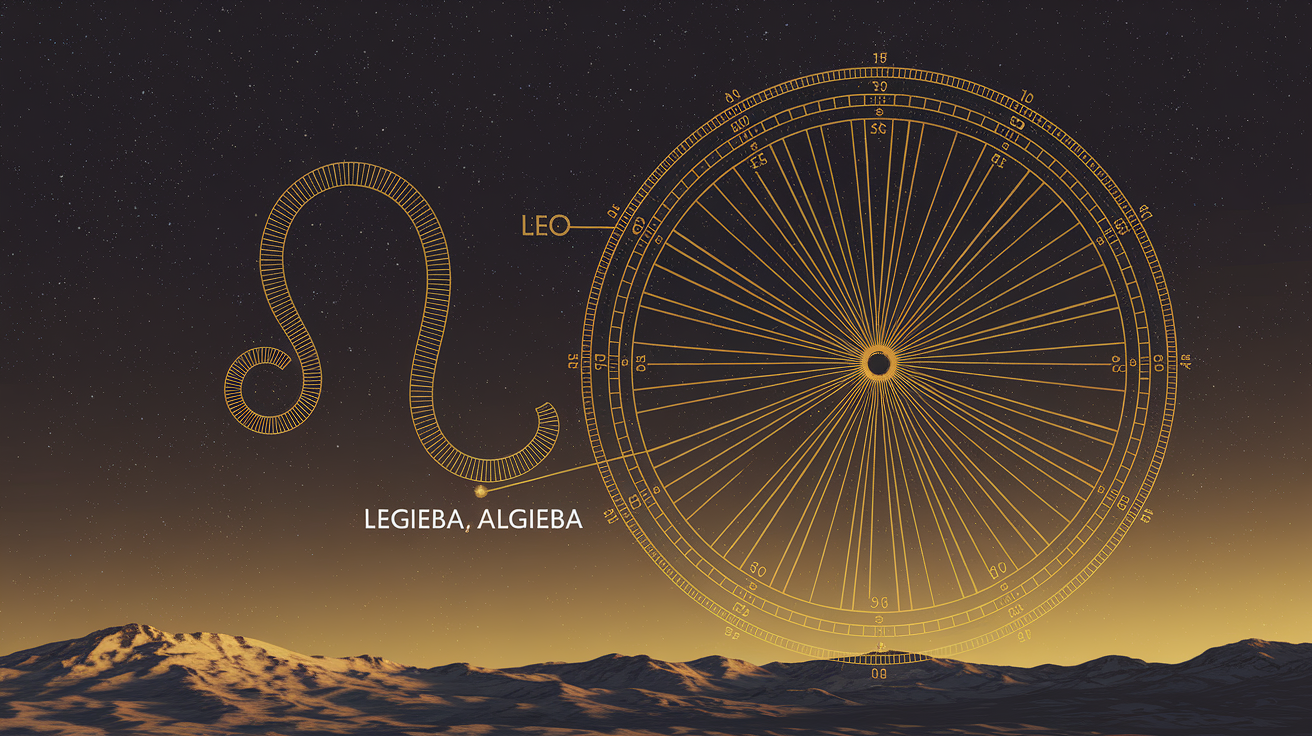
Leonid meteors radiate from a point near the star Algieba in Leo. Algieba (Gamma Leonis) marks the base of the constellation’s Sickle asterism, that backwards question mark outlining the Lion’s head and mane. The radiant rises in the east‑northeast around local midnight and climbs higher as the night goes on, peaking before dawn.
You don’t need to stare at the radiant. Leonids often appear 30 degrees or more away from it and streak across any part of the sky. Trace their paths backward and they all seem to diverge from that single point in Leo, but the visible streaks themselves are scattered.
Simple ways to locate Leo and get the best view:
- Use a star‑chart app to find Leo’s Sickle rising in the east after midnight
- Lie back with a wide field of view, try to keep at least 90 degrees of sky in your peripheral vision
- Face northeast or east‑northeast at first, then shift to a comfortable position that avoids the moon
- Don’t stress about pinpointing the exact radiant. Meteors will appear across the entire sky
What to Expect: Meteor Rates, Fireballs, and the Leonids’ Fast Velocities
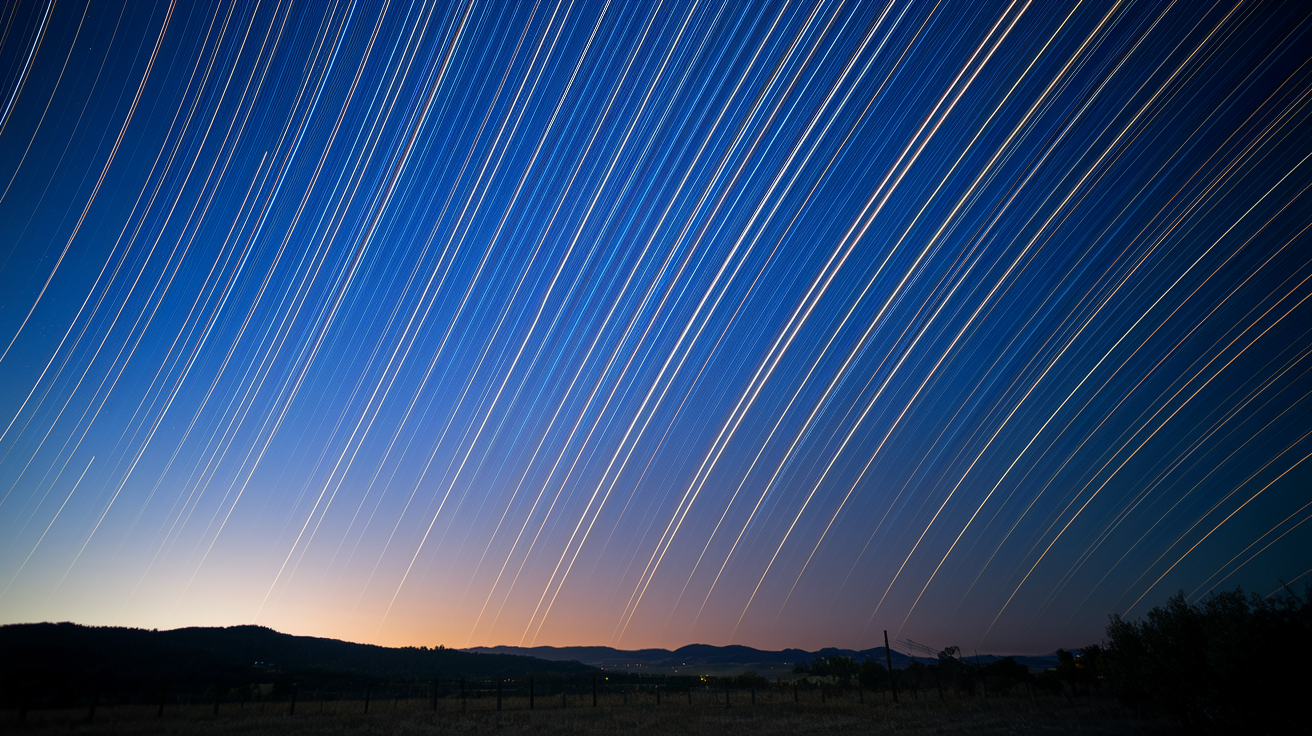
Zenithal hourly rate (ZHR) is the theoretical number of meteors a single observer would see per hour under ideal conditions: perfectly dark sky, radiant directly overhead, excellent visibility. For the Leonids, typical ZHR hovers around 10 to 15 meteors per hour in non‑storm years. Real‑world rates are usually lower because of light pollution, haze, moon interference, or a radiant that isn’t quite at the zenith.
During exceptional years, when Earth crosses a dense, narrow dust trail from a recent comet passage, rates can blow past 1,000 meteors per hour. That’s a meteor storm. The Leonids produced storms in 1833, 1966, and during the 1999–2001 sequence. In 2026, no big outburst is predicted. Expect the usual modest background rate, further reduced by first‑quarter moonlight.
Leonids are known for speed, color, and occasional brilliant fireballs. These meteors hit Earth’s atmosphere at roughly 70 kilometers per second, making them among the fastest meteors visible from our planet. That velocity produces bright, white or bluish‑white streaks and sometimes leaves glowing ionized trails, called persistent trains, that linger for seconds or even minutes after the meteor itself has vanished.
What makes Leonids distinctive:
- Extremely high velocity (around 70 km/s), producing sharp, quick flashes
- Frequent bright fireballs and occasional bolides that can briefly light up the landscape
- Persistent trains visible after brighter meteors, appearing as faint glowing tubes of ionized gas
Historic Leonid Meteor Storms: 1833, 1966, and Early 2000s Outbursts
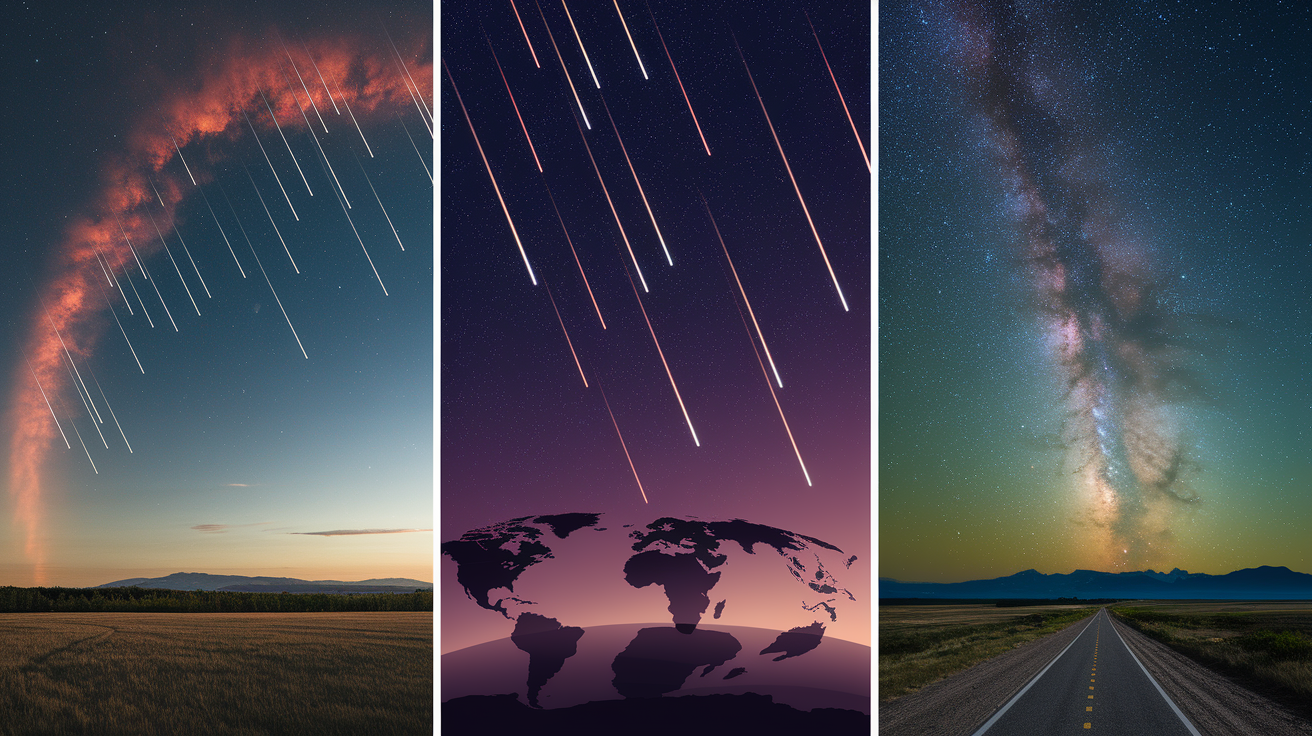
The Leonid meteor storm of November 12–13, 1833, remains one of the most spectacular celestial events on record. Eyewitness accounts from across the United States reported between 50,000 and 150,000 meteors per hour at peak. Observers noted a modest showing around 10:30 pm, then a dramatic surge around 3:00 am that continued until daybreak. “The sky appeared to rain fire, as if every star in the heavens had broken loose and was plummeting toward Earth.”
The November 17, 1966, storm delivered similarly jaw‑dropping rates over parts of North America. Observers reported 40 to 50 meteors per second during a roughly 15‑minute peak window. That’s 2,400 to 3,000 meteors per minute during those intense minutes. Brief, but unforgettable. It cemented the Leonids’ reputation as the shower capable of the most extreme outbursts.
The late 1990s and early 2000s brought renewed storm activity tied to the 1998 return of Comet Tempel‑Tuttle. Enhanced rates appeared in 1999, 2000, and 2001, with some locations recording thousands of meteors per hour. The 2001 outburst produced vivid displays for observers in parts of North America and Asia, though rates varied sharply depending on exact location and timing.
Why Leonid Storms Occur
Leonid storms happen when Earth passes through a dense, narrow filament of dust shed during a specific return of Comet Tempel‑Tuttle. Each time the comet approaches the Sun, it releases a fresh trail of particles. Over time, gravitational tugs from planets (especially Jupiter) shift these trails slightly. When a fresh, concentrated trail intersects Earth’s orbit at just the right moment, we get a brief, intense storm. Most years, Earth crosses only older, more dispersed material, giving us the familiar modest rates. Predicting storms requires detailed modeling of each dust trail’s position and evolution over decades.
Forecasting Leonid Activity: How Predictions Are Made
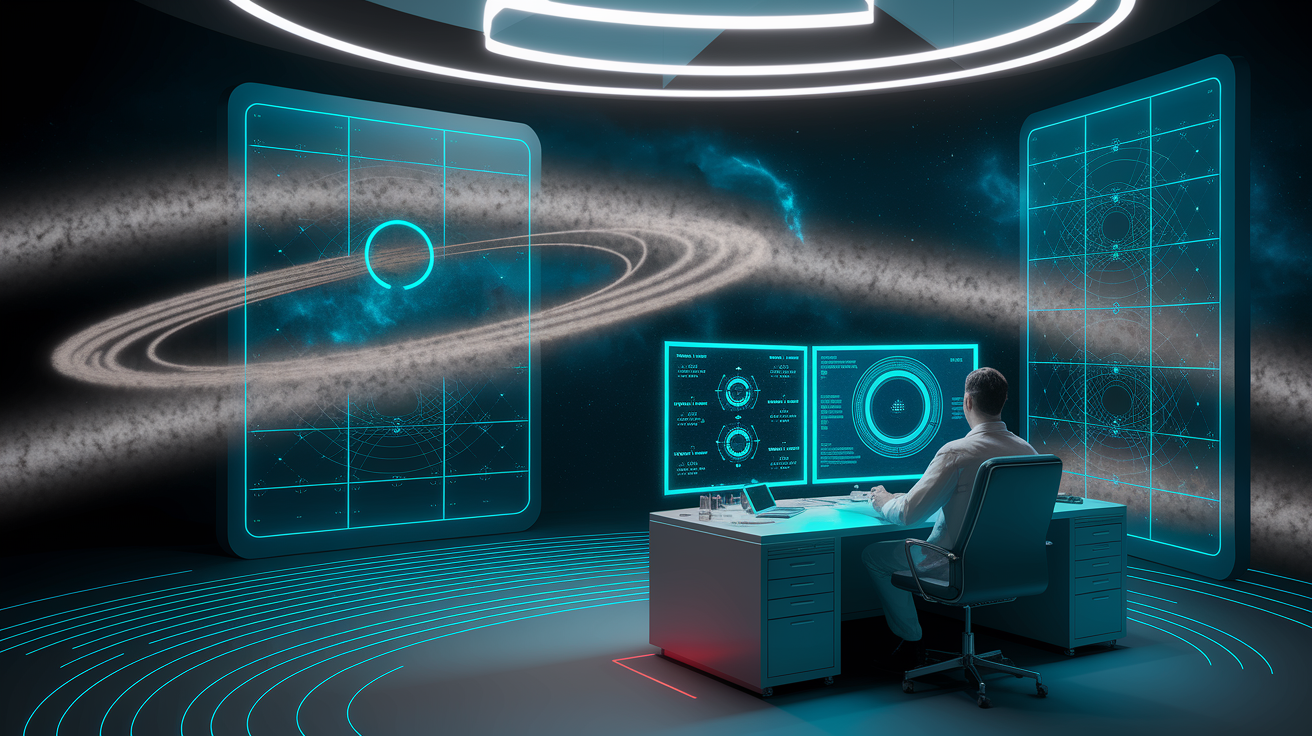
Forecasting Leonid meteor activity depends on modeling the three‑dimensional structure of dust trails released by Comet Tempel‑Tuttle over multiple orbits. Researchers calculate the position and density of each trail by simulating how particles ejected during individual comet returns spread and drift under the gravitational influence of the Sun and planets. When Earth’s orbit intersects a predicted trail at a specific time, an outburst or storm may occur.
Gravitational tugs from Jupiter and Saturn slowly shift the positions of these trails. A trail that missed Earth one year might cross our path a decade later, or vice versa. This sensitivity means storm predictions can be accurate to within hours for well‑modeled encounters but remain uncertain for older or less‑studied trails. Organizations like the International Meteor Organization compile observations, refine models, and issue annual forecasts that estimate peak times and expected rates.
Yearly peak times can shift by several hours depending on which part of the debris stream Earth crosses and how recent dynamical models have been updated. Even in non‑storm years, the exact hour of maximum activity varies. Checking updated forecasts a few weeks before mid‑November is worthwhile.
How forecasts are produced:
- Simulate particle ejection from the comet during each perihelion passage, calculating initial velocities and directions based on solar heating and outgassing.
- Integrate the orbits of millions of particles forward in time, accounting for gravitational effects from the Sun, planets, and sometimes even the Moon.
- Identify times when Earth’s trajectory intersects concentrations of particles, then estimate the resulting zenithal hourly rate based on particle density and encounter geometry.
Practical Observing Tips for Watching the Leonids
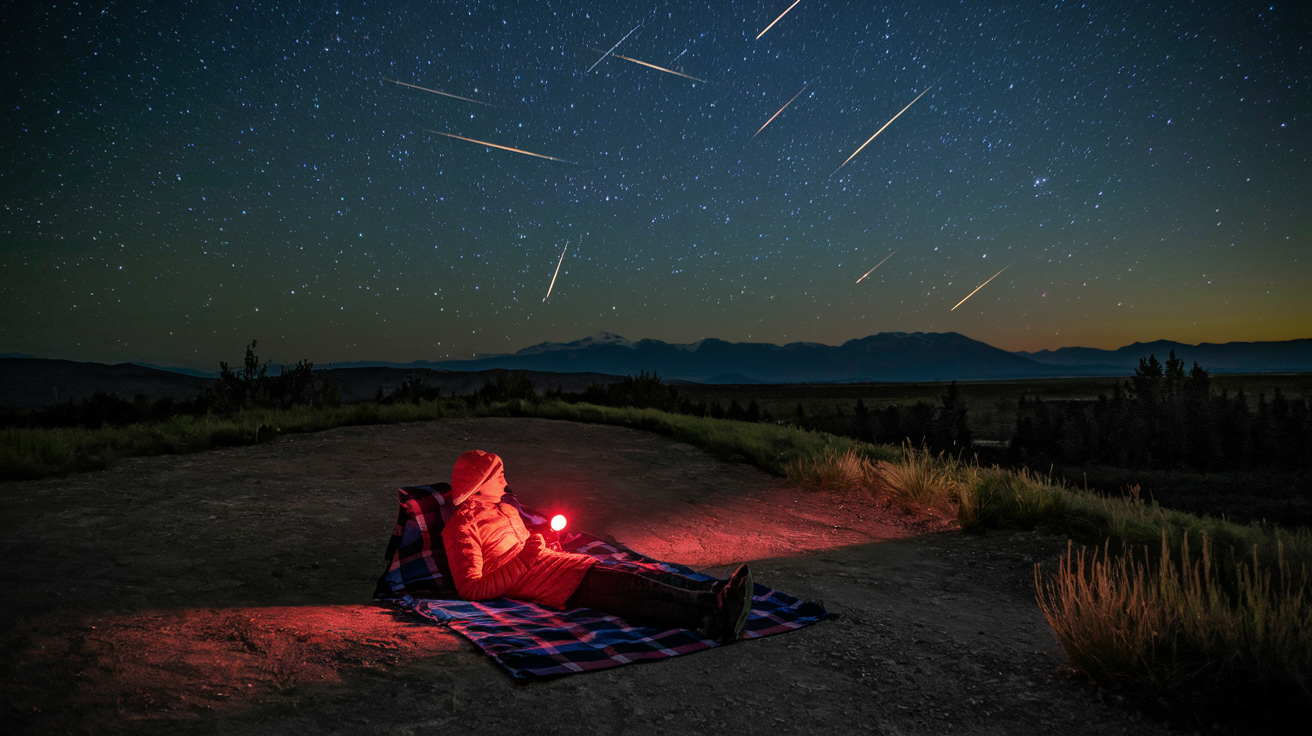
Successful meteor observing starts with dark adaptation. Give your eyes at least 20 to 30 minutes to adjust to darkness without looking at bright lights, phone screens, or headlights. Use a red‑light flashlight if you need to check maps, star charts, or notes. Red light preserves night vision far better than white light.
Position yourself away from the moon and any artificial light sources. In 2026, the first‑quarter moon will set several hours after midnight, so the hours before moonset will be brighter. Face away from the moon, toward the darker portion of the sky. That’ll help faint meteors stand out. Lie back in a reclining chair or on a blanket to keep a wide field of view without straining your neck. Plan to watch for at least 30 to 60 minutes. Meteor activity is irregular, and short sessions can miss the best bursts.
A five‑item observing checklist:
- Comfort: Dress in layers, bring a warm hat, gloves, and insulated footwear. November nights can be unexpectedly cold, especially after midnight.
- Safety: Choose a legal, safe site away from traffic and hazards. Let someone know your location and expected return time.
- Eye adaptation: Avoid all bright lights for 20–30 minutes before and during observation. Keep your phone on night mode or in your pocket.
- Gear: Bring a reclining chair or thick blanket, a thermos of warm drink, snacks, and a red flashlight. No telescope needed.
- Moon avoidance: Position yourself to keep the moon out of your direct line of sight, maximizing contrast for faint meteors.
Capturing Leonid Meteors with a Camera
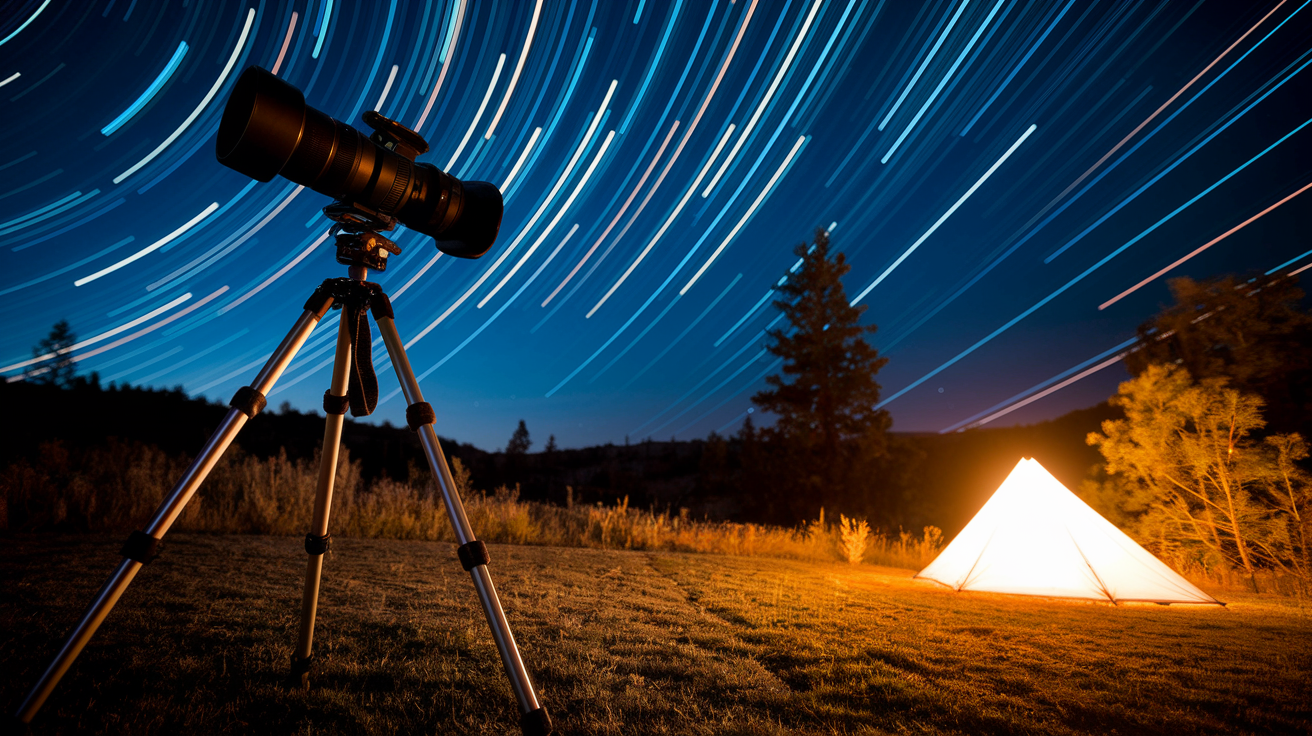
Photographing meteors requires a camera capable of long exposures, a wide‑field lens, and a stable tripod. A DSLR or mirrorless camera with manual controls works well. Mount the camera on a sturdy tripod and aim toward a dark patch of sky, ideally away from the moon and any ground lights. Use a wide‑angle lens (14mm to 35mm full‑frame equivalent) to cover as much sky as possible. That increases the chance a meteor will streak through your frame.
Set your camera to manual mode. Use a wide aperture (f/2.8 or wider if available) to gather as much light as possible. Start with an ISO between 1600 and 3200. Adjust based on sky brightness and noise levels. Set the shutter speed to 15 to 30 seconds per exposure. Shorter exposures reduce star trailing and sky glow. Longer exposures gather more light but may wash out under bright moonlight or light pollution.
Use an intervalometer or the camera’s built‑in interval timer to shoot continuous frames throughout the night. Capturing hundreds of frames increases your odds of recording at least one bright meteor. Check your first few shots to confirm proper focus (use live view and manual focus on a bright star) and correct exposure. Prevent dew from forming on the lens by wrapping a hand warmer around the lens barrel or using a dew shield.
| Setting | Recommended Range |
|---|---|
| ISO | 1600–3200 |
| Aperture | f/2.8 or wider |
| Shutter Speed | 15–30 seconds |
| Focal Length | 14–35 mm (full‑frame equivalent) |
Contributing Observations: Logging Meteors and Joining Citizen Science Efforts
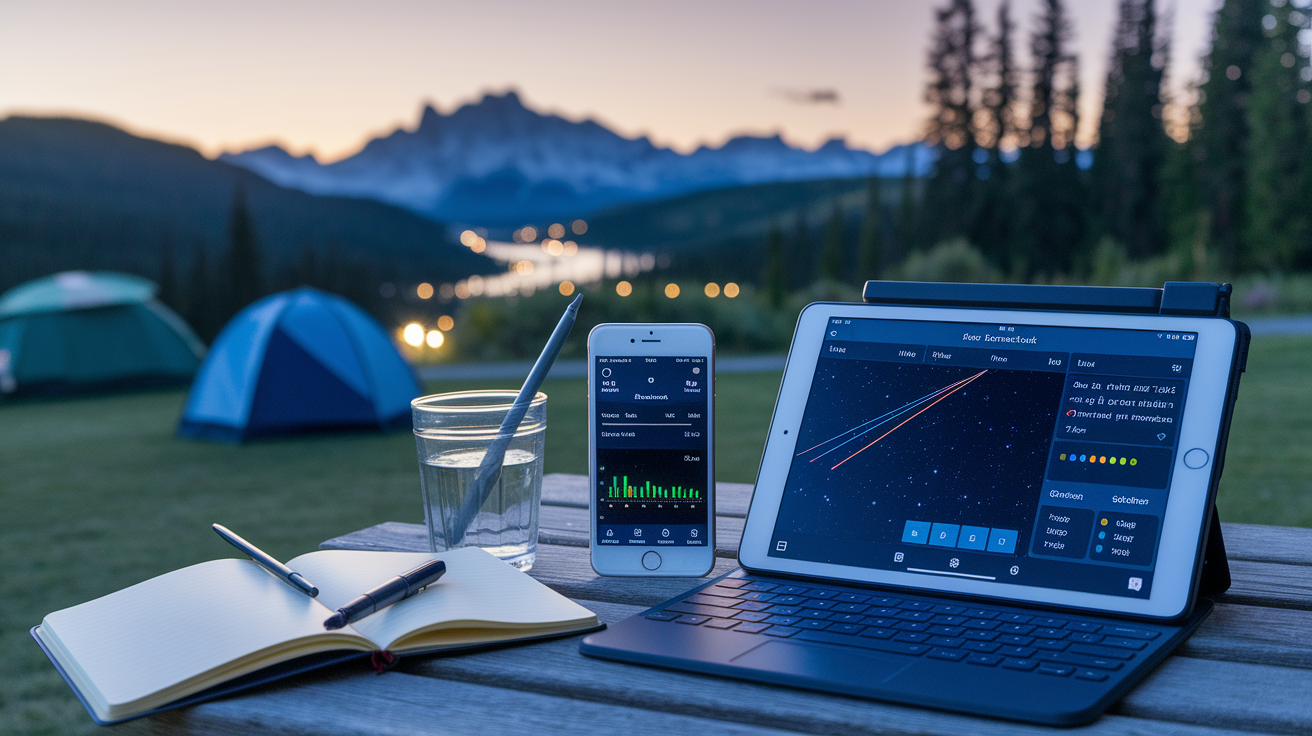
Logging your meteor observations helps professional researchers refine shower models, calibrate predictions, and track year‑to‑year variations. After the 1833 Leonid storm, astronomer Denison Olmsted published an appeal in newspapers asking observers to report exact times, meteor directions, and other details. That early crowdsourcing effort produced one of the first systematic datasets in meteor science and showed the value of distributed public observation.
Modern observers can contribute by counting meteors during fixed time intervals and recording key details. Note the start and end time of your observing session, the number of meteors you saw, and the limiting magnitude (the faintest stars visible to your naked eye). Record the brightness of notable meteors using the magnitude scale (compare them to visible stars), note their direction and speed, and flag any fireballs. Those are meteors brighter than magnitude –4, roughly as bright as Venus.
Details to record during your session:
- Time: Start and stop times in local time or Universal Time, rounded to the nearest minute
- Brightness: Estimate meteor magnitude by comparing to nearby stars. Note any exceptionally bright fireballs
- Direction and speed: Record the general direction (northeast, overhead, etc.) and approximate angular velocity
Final Words
in the action, the 2026 Leonid peak falls around 00:00 UTC on November 18, with the best viewing late night on the 17th through dawn on the 18th. A first‑quarter moon will wash out many faint meteors, so expect closer to 10–15 per hour under dark skies.
Pick a dark, clear site, face away from the moon, give your eyes 20–30 minutes to dark adapt, and plan to watch around local midnight to dawn.
With patience and the right spot, the leonid meteor shower can still deliver bright streaks and maybe a fireball. Enjoy the show.
FAQ
Q: What time can I see the Leonid meteor shower?
A: The Leonid meteor shower is best seen late night to dawn, with the radiant rising around local midnight and peaking in 2026 near 00:00 UTC on November 18.
Q: What time is the meteor shower on December 13?
A: The meteor shower on December 13 falls outside the Leonids’ active period (November 3–December 2), so you won’t see Leonids then; their 2026 peak is around 00:00 UTC on November 18.
Q: What time is the meteor shower on October 21st?
A: The meteor shower on October 21st is before the Leonids’ activity window, so Leonids won’t be visible; typical Leonid activity runs November 3–December 2, with 2026 peak near 00:00 UTC on November 18.
Q: What time is the meteor shower on July 29th?
A: The meteor shower on July 29 falls well outside the Leonids’ season (November 3–December 2), so no Leonid activity then; for 2026 watch late night through dawn on November 17–18.