

Is it still worth standing outside in December for the Ursid meteor shower when a bright moon will wash out most of the show?
It can be, if you pick the right hours.
The 2026 peak is predicted near 20:59 UTC on December 22, and your best local viewing window runs from the evening of Dec. 21 through dawn on Dec. 22.
This short guide gives exact local viewing times, explains how moonlight will cut visible meteors, points out the Ursid radiant in Ursa Minor, and lists simple tips to boost what you actually see.
Key Viewing Details for the Ursid Meteor Shower Peak
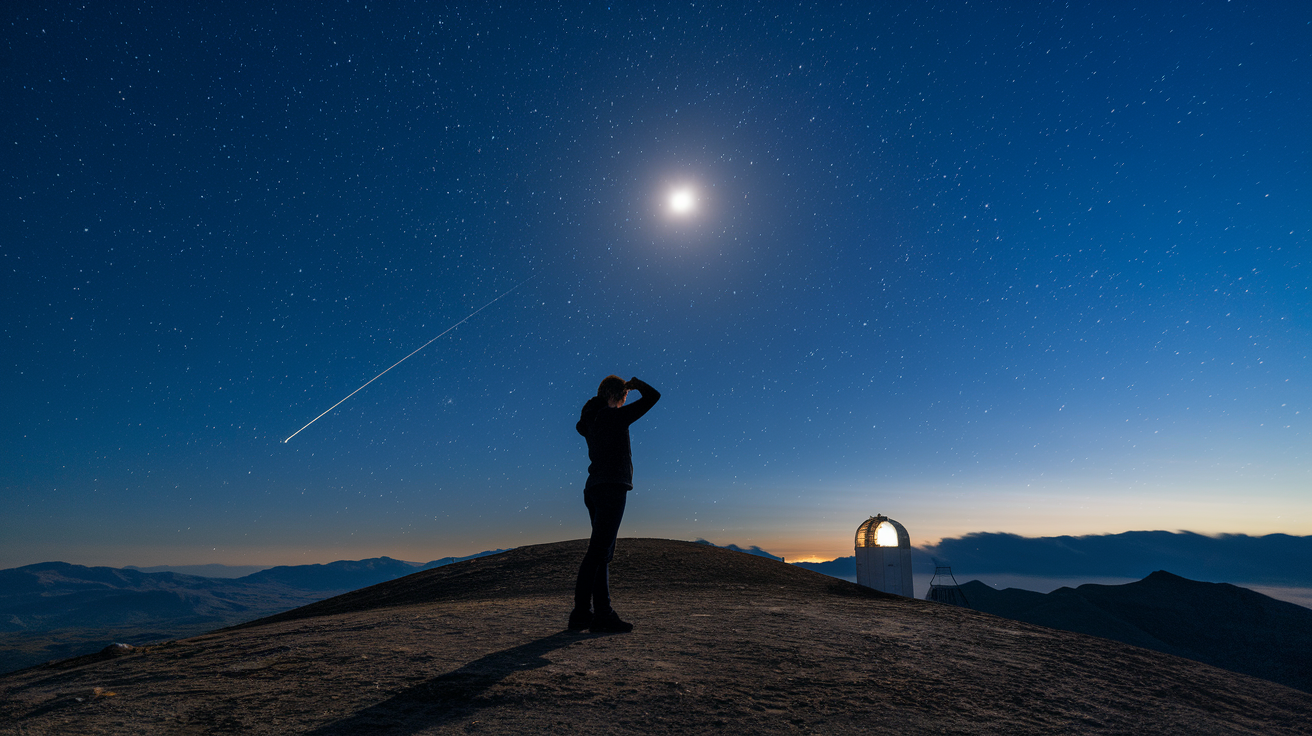
The 2026 Ursid meteor shower should hit its peak around 20:59 UTC on December 22, 2026, at least according to the American Meteor Society’s prediction. That’s when Earth plows through the thickest part of the debris trail left behind by comet 8P/Tuttle. The shower runs from December 13 through December 24 every year, but real activity gets squeezed into about 12 hours around that maximum. Timing matters more here than with some of the longer showers.
On a perfect night with zero moon and dark skies, you’d normally expect to see maybe 5 to 10 meteors per hour at peak. But 2026 isn’t giving us a perfect night. Full moon arrives at 01:28 UTC on December 24, which puts a bright gibbous moon high overhead during the best viewing hours on the night of December 21–22. That moonlight’s going to wash out the fainter meteors, leaving you with only the brightest ones. Still, your best shot runs from the evening of December 21 through dawn on December 22. Start watching around 1:00 a.m. local time when the radiant in Ursa Minor climbs higher and you can find darker patches of sky between the moonlit sections.
Because Ursid meteors tend to be faint and the moon’s not cooperating in 2026, you’ll want to plan ahead:
Pick a spot where you can block the moon. Use a hill, a building, even a tree to shield your eyes from direct moonlight.
Start after local midnight. The radiant gets higher and the darker sky becomes easier to access.
Watch from December 21 evening through December 22 dawn. The peak prediction could be off by a few hours either way.
Dress warm and bring insulated gear. December nights are long and cold, especially up north where the Ursids show up best.
Give your eyes at least 20 to 30 minutes to adjust. Even partial dark adaptation helps you catch meteors the moon would otherwise hide.
Understanding the Ursid Meteor Shower Radiant in Ursa Minor
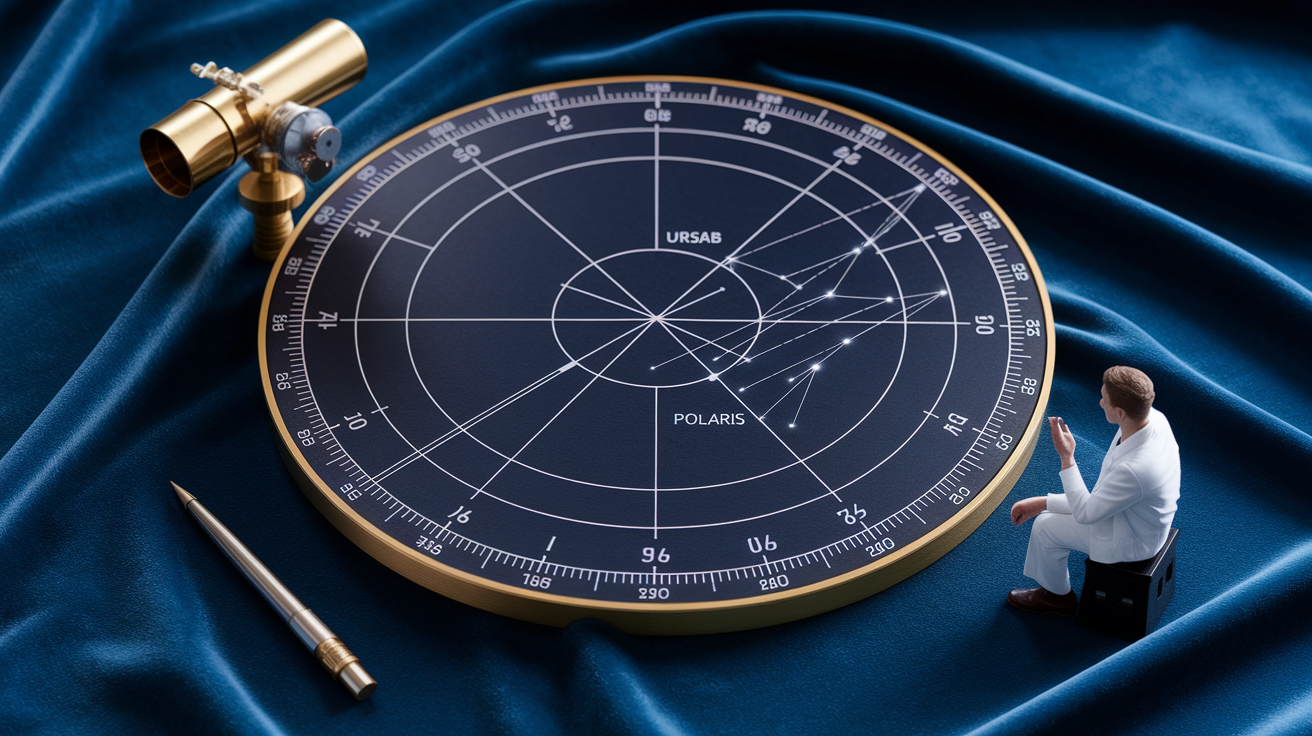
The Ursids get their name from their radiant point in Ursa Minor, the Little Dipper. That radiant sits roughly 1.5 degrees west of Kochab, the brighter of the two stars that form the outer edge of the Little Dipper’s bowl. There’s a fainter reference star, 5 Ursa Minoris (magnitude 4.2), about 0.75 degrees west of Kochab, basically halfway between Kochab and the actual radiant. Once you find the Little Dipper, locating the Ursid radiant is pretty straightforward. And because Ursa Minor is circumpolar at mid to high northern latitudes, the radiant never sets. It just circles Polaris all night.
Meteors radiate from this small patch of sky near Kochab, but they can appear anywhere across the entire sky. If you trace their paths backward, true Ursids all point toward the radiant. The circumpolar behavior means northern observers can watch for Ursids any hour of the night, though darker hours after midnight still improve your chances. If you’re south of the equator, the radiant stays below the horizon, so Ursid meteors are basically invisible from temperate southern locations.
Here’s how to locate the radiant yourself:
Find the Big Dipper (part of Ursa Major) and identify the two pointer stars, Merak and Dubhe, on the outer edge of its bowl.
Draw a line from Merak through Dubhe and keep going north. That line leads straight to Polaris, the North Star, which marks the end of the Little Dipper’s handle.
Follow the curved “tail” of Ursa Minor from Polaris through Zeta Ursae Minoris to the bowl of the Little Dipper, ending at Kochab.
Look just west of Kochab. The Ursid radiant sits in that direction, a small, faint region where the shower’s perspective point lies.
Expected Ursid Meteor Rates, Activity Patterns, and Outbursts
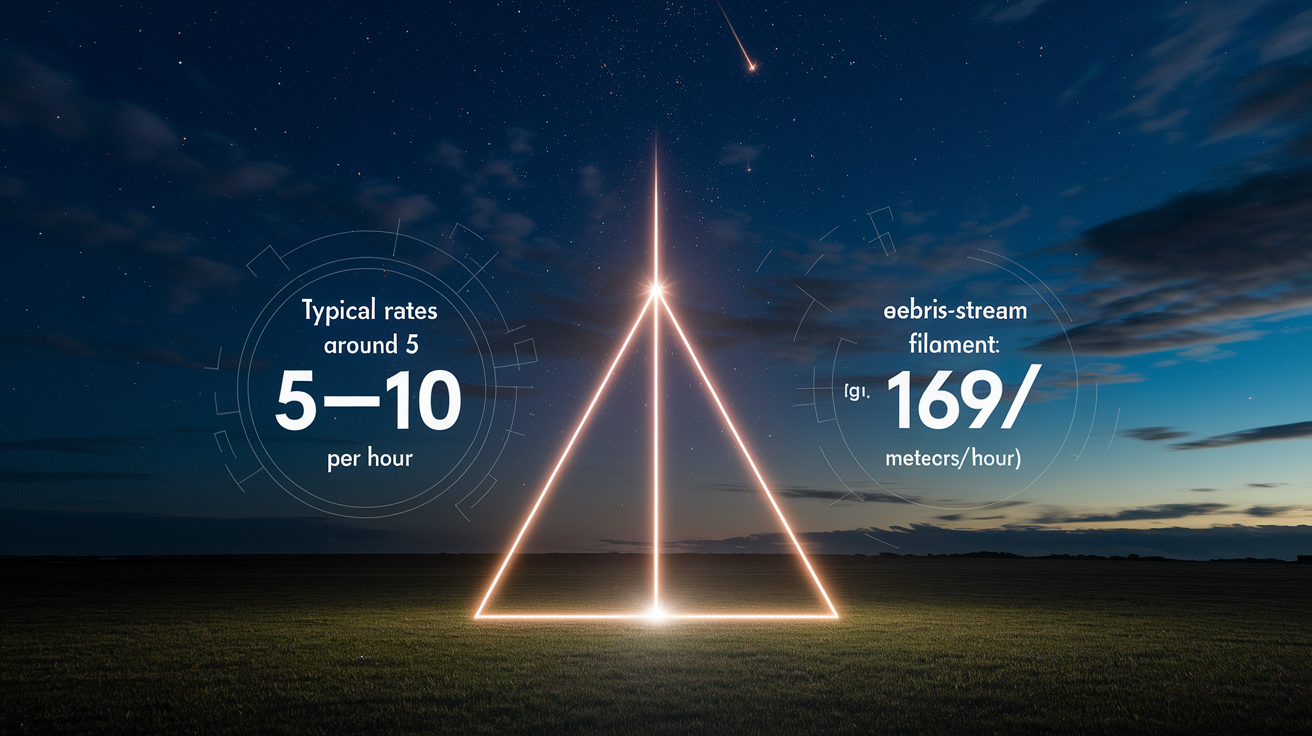
Most years, the Ursids put out a modest zenithal hourly rate of about 10 meteors per hour under ideal conditions. Dark skies, radiant at zenith, no moon. In reality, typical observers see closer to 5 meteors per hour, sometimes fewer when moonlight or light pollution gets in the way. The meteoroids slam into Earth’s atmosphere at speeds up to roughly 70 kilometers per second, a moderate velocity that produces meteors of medium brightness. Because Ursid particles tend to be faint, only the brighter shower members stand out against background skyglow or moonlight. That’s why the 2026 gibbous moon will suppress the visible count so much.
What makes the Ursids scientifically interesting is their history of rare, short outbursts. The most dramatic one on record happened on December 22, 1945, when the Skalnate Pleso Observatory documented a rate of 169 meteors per hour. More than fifteen times the typical peak. Other notable increases showed up in 1973 and 1986, and in 2020 rates roughly doubled normal levels with brief, simultaneous bursts reported by multiple observer networks. These outbursts are unpredictable and usually last only a few hours, compressed within the already narrow 12 hour activity window around maximum. The debris stream is compact, so if Earth passes through a dense filament, the spike in activity can be sharp and fleeting.
The table below shows notable historical Ursid outbursts:
| Year | Observed Rate | Notes |
|---|---|---|
| 1945 | ~169 meteors/hour | Strongest documented outburst; recorded at Skalnate Pleso Observatory on December 22 |
| 1973 & 1986 | ~30–100+ meteors/hour | Notable increases above background; short duration peaks consistent with compact stream |
| 2020 | ~20 meteors/hour | Roughly double normal rates; brief simultaneous bursts reported globally |
The Ursids’ Parent Comet: 8P/Tuttle
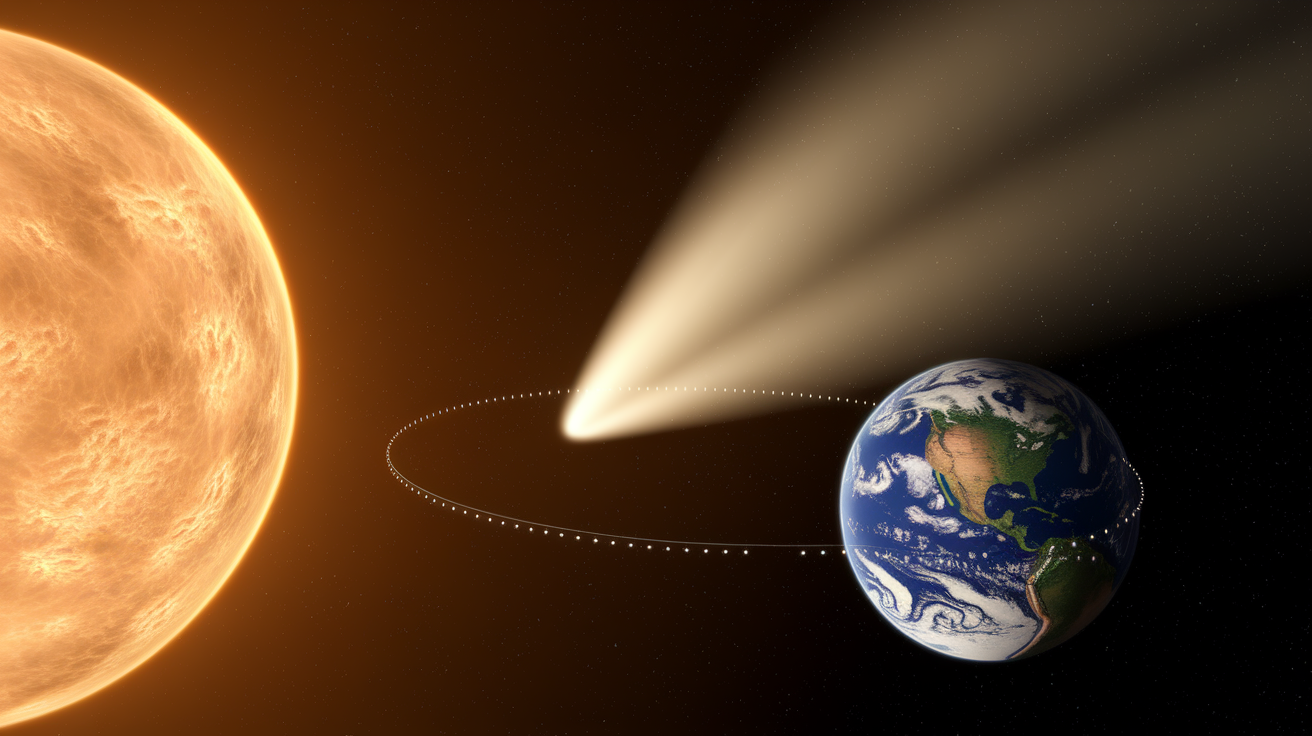
The Ursid meteor shower comes from debris shed by periodic comet 8P/Tuttle, a Jupiter family comet first spotted on January 9, 1790, and then reobserved on January 5, 1858, confirming its periodic nature. The comet follows an elliptical orbit with a period of about 13.6 to 13.7 years, so it completes one trip around the Sun roughly every 14 years. Its most recent close approach to the Sun, called perihelion, happened in August 2021, and its next perihelion is expected around April 2035. As 8P/Tuttle orbits, it leaves behind a trail of dust and small rocky fragments. When Earth’s orbit intersects this debris stream each December, we see the Ursid meteor shower.
What’s puzzling to researchers is the timing of Ursid outbursts relative to the comet’s position. Unlike many meteor showers that see boosted activity shortly after the parent comet’s perihelion passage (when fresh material is released), Ursid outbursts have historically occurred roughly six years after 8P/Tuttle reaches perihelion. That places them near the time the comet is farthest from the Sun, at aphelion. This lag suggests the debris stream isn’t a simple, evenly spread ribbon but instead contains dense clumps or filaments that drift and evolve over time, maybe influenced by gravitational nudges from Jupiter or other dynamics within the stream. Forecasters use computer models of the stream’s structure to predict when Earth might encounter these denser pockets. That’s why certain years get flagged as potential outburst candidates.
Following the comet’s 2021 perihelion, the years 2027 and 2028 have been identified as periods to watch for possible increased Ursid activity, based on models of how the debris disperses and when those filaments will intersect Earth’s path. If the models are right, observers in those years could see rates climb well above the usual 10 per hour. Another window of potential enhanced activity is expected around 2040, a few years after the 2035 perihelion. These predictions remain uncertain because the stream’s exact structure and the comet’s dust release history aren’t fully mapped. Every Ursid maximum is an observational test of those models.
Ideal Locations and Sky Conditions for Viewing the Ursids
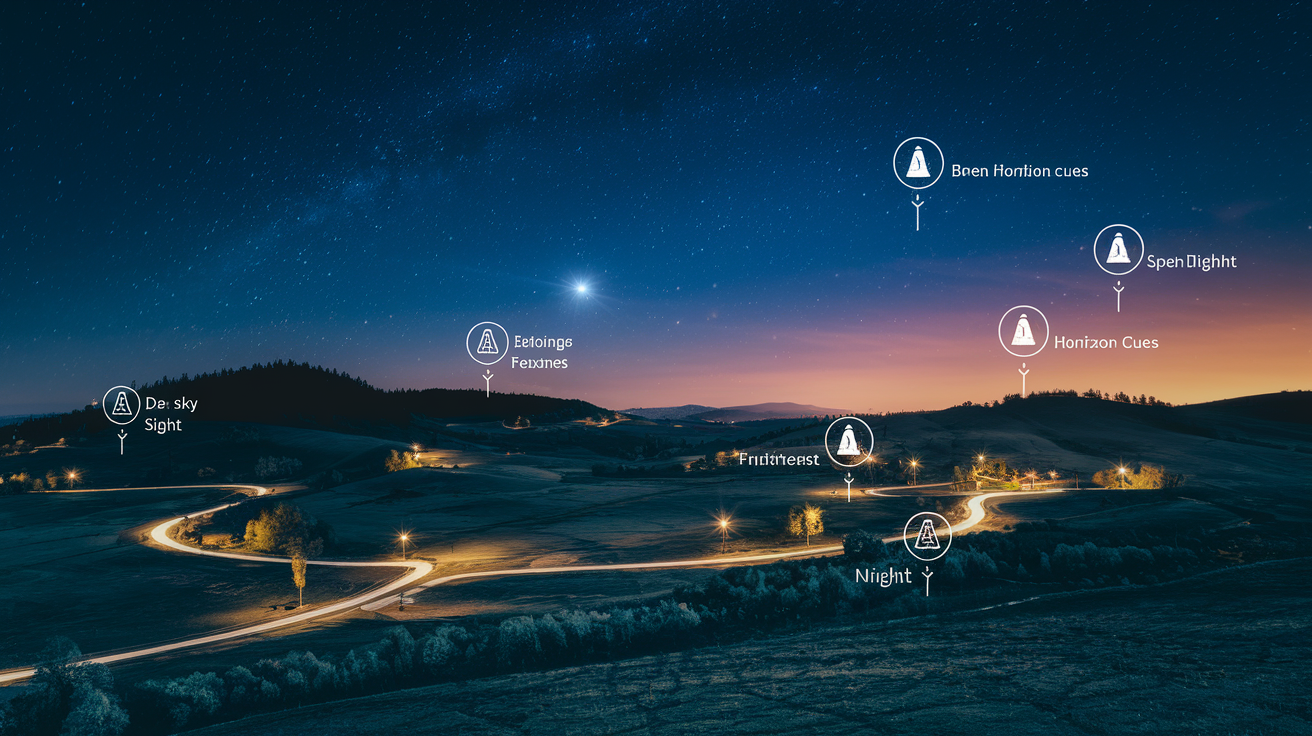
The Ursid meteor shower strongly favors observers in the Northern Hemisphere, especially those at mid to high latitudes where the radiant in Ursa Minor stays visible all night. Because the radiant is circumpolar for locations north of about 40 degrees latitude, northern observers can watch from evening through dawn without the radiant ever setting. Viewers in the temperate Southern Hemisphere will see few or no Ursids because the radiant sits below the horizon. Any meteors that do appear will graze the northern horizon at very shallow angles, making them rare and tough to spot.
Dark skies are critical for the Ursids because the meteors are inherently faint. Only the Southern delta Aquariids are typically fainter among well known annual showers. Light pollution from cities, streetlights, or nearby sources will drown out all but the brightest shower members. For 2026, the biggest obstacle is the moon. A bright gibbous moon approaching full on December 24 will flood the sky with reflected sunlight during the peak hours on the night of December 21–22. This moonlight will cut the number of visible meteors significantly, leaving only the brightest handful detectable. To counter moon glare, choose your observing site and position carefully to block or minimize direct moonlight reaching your eyes.
To get the most out of your Ursid viewing despite moonlight and the shower’s faint nature, follow these site selection tips:
Travel to a rural or wilderness location far from city lights, where the background sky is naturally dark between patches of moonlight.
Use terrain to shield the moon. Position yourself so a hill, ridge, building, or tree blocks the moon’s direct glare, creating a shadow zone where your eyes can adapt.
Face northeast or northwest to keep the moon out of your direct field of view while scanning a large area of sky around the Ursid radiant.
Avoid locations with streetlights, porch lights, or vehicle headlights. Even small artificial lights will ruin your dark adaptation and hide faint meteors.
Check for open horizons. While the radiant is high, meteors can appear low on the horizon, so an unobstructed view in all directions improves your chances.
Plan for cold and wind. December nights are long and often frigid. Comfort and warmth directly affect how long you can stay out and watch.
Preparing Yourself and Your Gear for Watching the Ursids
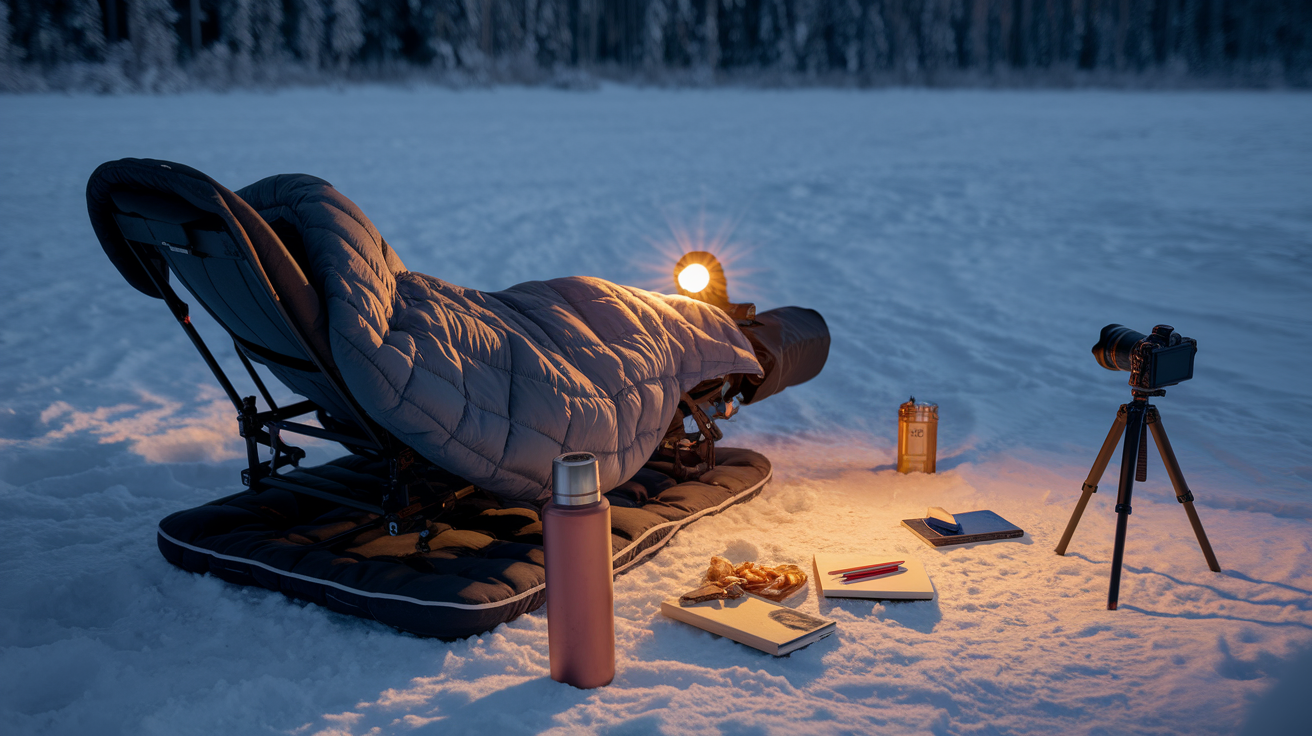
Meteor showers are best observed with the naked eye because meteors can appear anywhere in the sky and move too quickly for telescopes or binoculars to track. All you need is a dark site, warm clothing, and patience. Allow your eyes 20 to 30 minutes to adapt fully to the darkness. That means no phone screens, no flashlights (or only red filtered flashlights), and no looking toward lights. Dark adaptation is the difference between seeing a handful of meteors and missing most of them, especially for a faint shower like the Ursids.
Comfort is just as important as darkness. December nights around the winter solstice are among the longest of the year, offering extended viewing opportunities, but they’re also the coldest. Dress in multiple layers, bring insulated gear, and plan to stay warm for several hours. A reclining chair or sleeping pad with a blanket lets you lie back and scan the sky without neck strain. A sleeping bag or heavy blanket over your legs and torso will trap body heat. Meteor hunting is a waiting game. Meteors arrive unpredictably, and you need to be comfortable enough to stay outside through the quiet stretches between streaks of light.
Use this checklist to prepare for your Ursid observing session:
Warm, layered clothing. Thermal underlayers, insulated jacket, hat, gloves, and thick socks. Plan for temperatures well below freezing if you’re at altitude or high latitude.
Reclining chair, sleeping pad, or blanket. Something that lets you lie back and look up comfortably for extended periods.
Sleeping bag or heavy blanket. To cover yourself and retain heat while reclining.
Red flashlight or headlamp. For reading notes, adjusting gear, or moving around without destroying your dark adaptation. Cover a regular flashlight with red cellophane if needed.
Hot drinks and snacks. A thermos of tea, coffee, or hot chocolate and some energy dense snacks to keep your body warm and fueled.
Watch or phone with alarm. To track time and note when meteors appear, especially if you plan to count and report observations.
Notebook and pencil. For logging meteor counts, brightness estimates, and timestamps if you want to contribute data to citizen science efforts.
Historical Background and Discovery of the Ursids
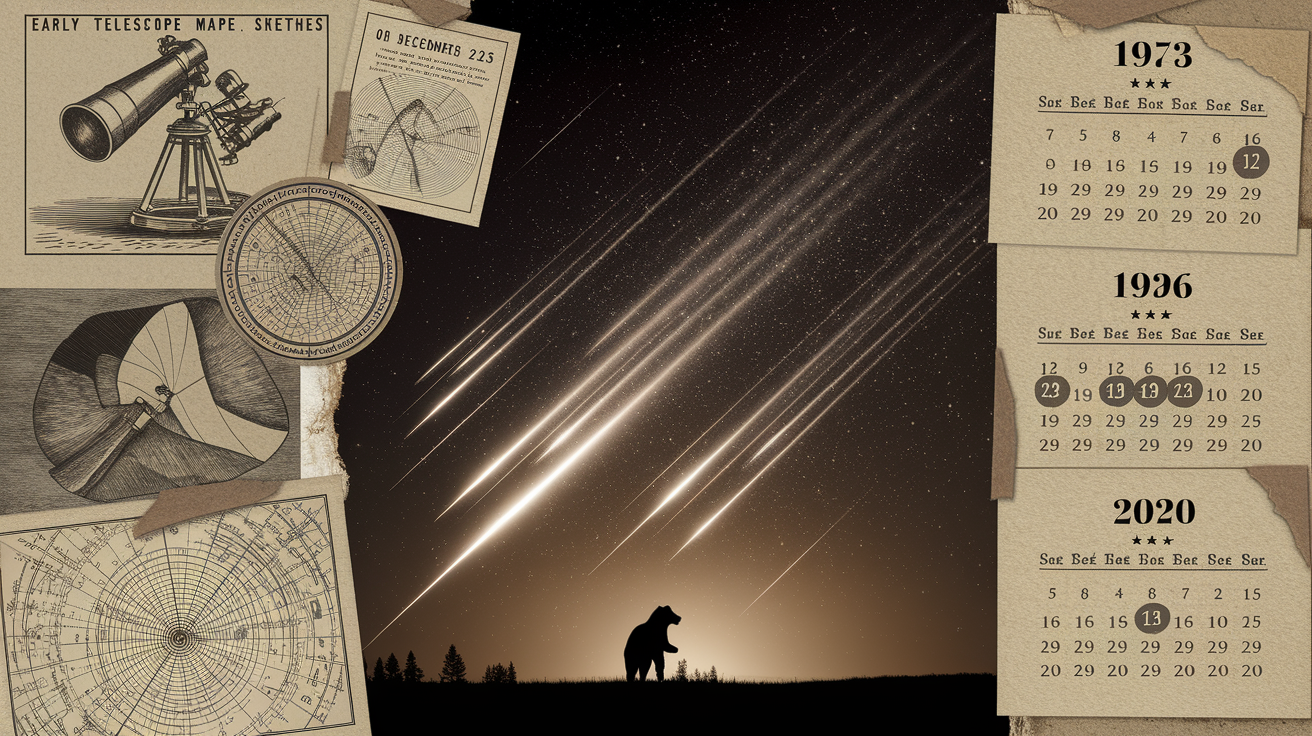
The Ursid meteor shower takes its name from its radiant in Ursa Minor, the constellation of the Little Bear, and has been recognized as an annual event for over a century. Unlike some showers that were discovered in ancient times, the Ursids were identified and confirmed through systematic telescopic and visual observations in the 20th century. The parent body, comet 8P/Tuttle, was already known since the late 18th century. The link between the comet’s orbit and the December meteor shower was established through orbital mechanics and the timing of Earth’s passage through the debris stream each year between December 13 and 24.
The shower gained prominence when unexpected outbursts revealed that the Ursids weren’t merely a weak, forgettable shower but one capable of dramatic, short lived increases in activity. The 1945 outburst, which produced 169 meteors per hour, put the Ursids on the map as a scientifically interesting target. Subsequent boosts in 1973, 1986, and 2020 reinforced the pattern. The Ursids are usually quiet, but every so often Earth encounters a dense clump of debris and rates spike. These historical milestones have shaped modern forecasting efforts and made the Ursids a test case for understanding compact, variable meteor streams.
Key historical milestones of the Ursid meteor shower include:
Late 1700s and 1800s: Comet 8P/Tuttle discovered and confirmed as a periodic comet, laying the groundwork for later identification of its debris stream.
December 22, 1945: The strongest documented Ursid outburst, with rates reaching approximately 169 meteors per hour, recorded at Skalnate Pleso Observatory.
1973, 1986, and 2020: Notable activity increases above background levels, with rates climbing to 30–100+ meteors per hour briefly, demonstrating the stream’s compact and variable nature.
Recording, Reporting, and Contributing to Ursid Meteor Science
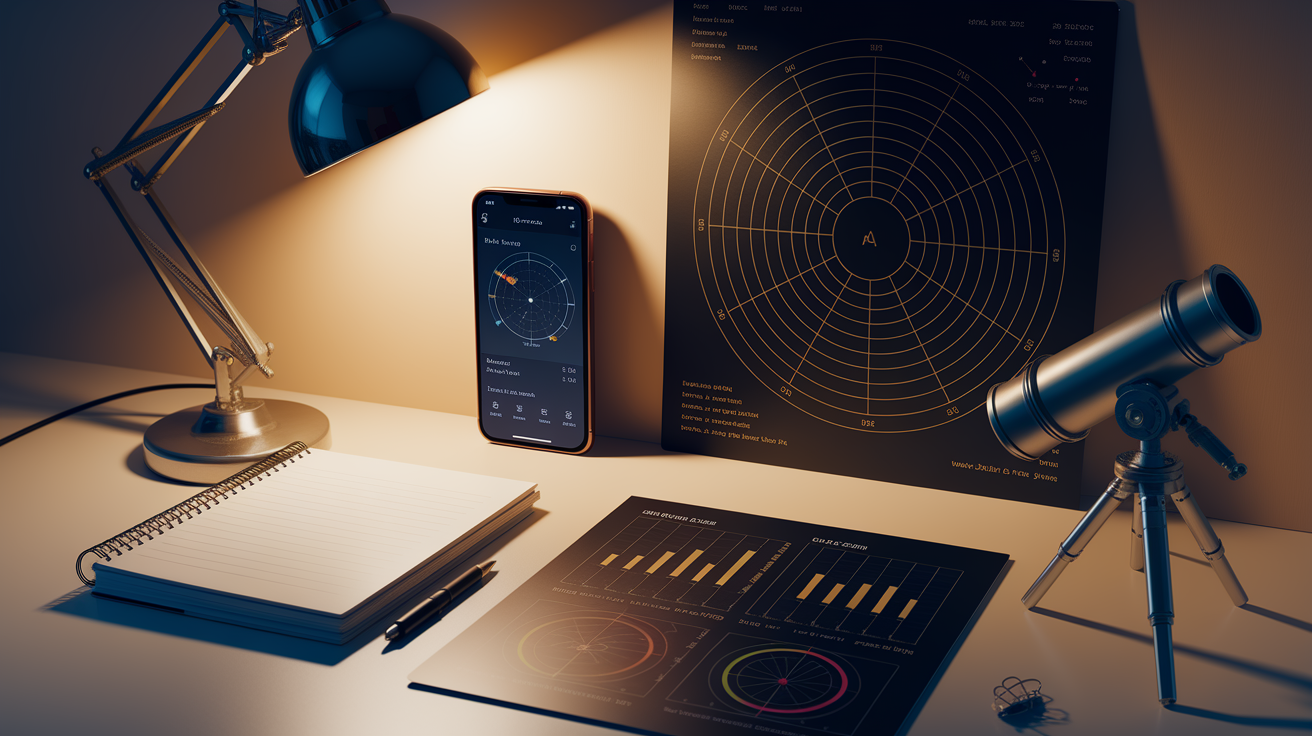
Observers watching the Ursids can contribute valuable data to the scientific community by recording what they see and reporting it to organizations like the American Meteor Society and the International Meteor Organization. Because the Ursid stream is compact and activity levels can shift unpredictably from year to year, even a single observer’s count and timing notes help refine models of the debris distribution. Professional meteor science relies heavily on reports from amateur observers because the global network of visual and video watchers provides coverage across time zones and weather conditions that no single research station can match.
When you watch the Ursids, note the time you start and stop observing, count how many meteors you see, and estimate their brightness on a simple magnitude scale (comparing them to nearby stars). Also record the sky conditions. Cloud cover, moon position, and any light pollution. These factors affect how many meteors you can see and allow researchers to normalize your counts. Video recordings are especially useful because they capture exact times, trajectories, and brightness profiles that can be analyzed frame by frame and compared with other stations to triangulate meteor heights and speeds. Even simple counts logged on paper or in an app contribute to the collective understanding of when and how the Ursid stream varies.
| Observation Type | What to Record | Why It Helps |
|---|---|---|
| Visual counts | Start/end times, total meteor count, shower vs. sporadic identification, sky conditions, moon altitude | Establishes hourly rates and activity profile; helps identify outbursts or quiet years |
| Magnitude estimates | Brightness of each meteor compared to reference stars (e.g., “as bright as Kochab” or “fainter than mag 4”) | Reveals population index and stream composition; distinguishes fresh vs. old debris |
| Video captures | Timestamped video with field of view, camera specs, and location coordinates | Allows trajectory reconstruction, speed measurement, and multi station triangulation for precise orbits |
| Radiant plots | Sketched or photographed meteor trails with start/end points on a star chart | Confirms radiant position and spread; helps detect secondary radiants or contamination from sporadics |
| Null reports | Time observed, sky conditions, and “no meteors seen” or very low counts | Just as important as high counts; confirms when activity is low and prevents observational bias in datasets |
Final Words
The Ursid peak is predicted for 20:59 UTC on December 22, 2026 — the best viewing window is overnight Dec 21–22 during the shower’s active run (Dec 13–24). Expect roughly 5–10 meteors per hour under dark skies, though a bright gibbous moon near Dec 24 will cut visibility.
We walked through where to look (radiant in Ursa Minor), typical and historic rates, 8P/Tuttle’s role, ideal locations and gear, and how to report your sightings.
Pack warm layers, find a dark spot, and enjoy the ursid meteor shower — quiet rewards await.
FAQ
Q: When can I see the Ursid meteor shower?
A: The Ursid meteor shower can be seen annually December 13–24; in 2026 its peak is predicted at 20:59 UTC on December 22, with best viewing overnight December 21–22, after local 1:00 a.m.
Q: What direction to look for the Ursid meteor shower?
A: You should look toward Ursa Minor near the star Kochab; the radiant sits about 1.5° west of Kochab, but meteors can appear anywhere, so face north with a wide sky view.
Q: What time is best to see the meteor showers tonight?
A: The best time to see meteor showers tonight is after local midnight into pre-dawn; Ursids concentrate in the ~12 hours around peak, so viewing after 1:00 a.m. local often yields more meteors.
Q: Where will the Centaurid meteor shower be visible?
A: The Centaurid meteor shower is typically visible mainly from the Southern Hemisphere and low northern latitudes, with its radiant in Centaurus; point to the southern sky after local midnight for best chances.