

The Quadrantid meteor shower might be the toughest major shower to catch: its peak lasts just six to eight hours each year.
That tight window usually falls overnight on January 3 and 4, so timing beats long watches and luck matters.
In this post we’ll explain exactly when to look, where the radiant (the point meteors appear to come from) sits in the sky, and simple steps to boost your counts.
Follow simple tips: pick a dark site, watch after midnight, and let your eyes adjust for twenty minutes, and you’ll turn a few streaks into a memorable show.
Key Details About the Quadrantid Meteor Shower Peak Window
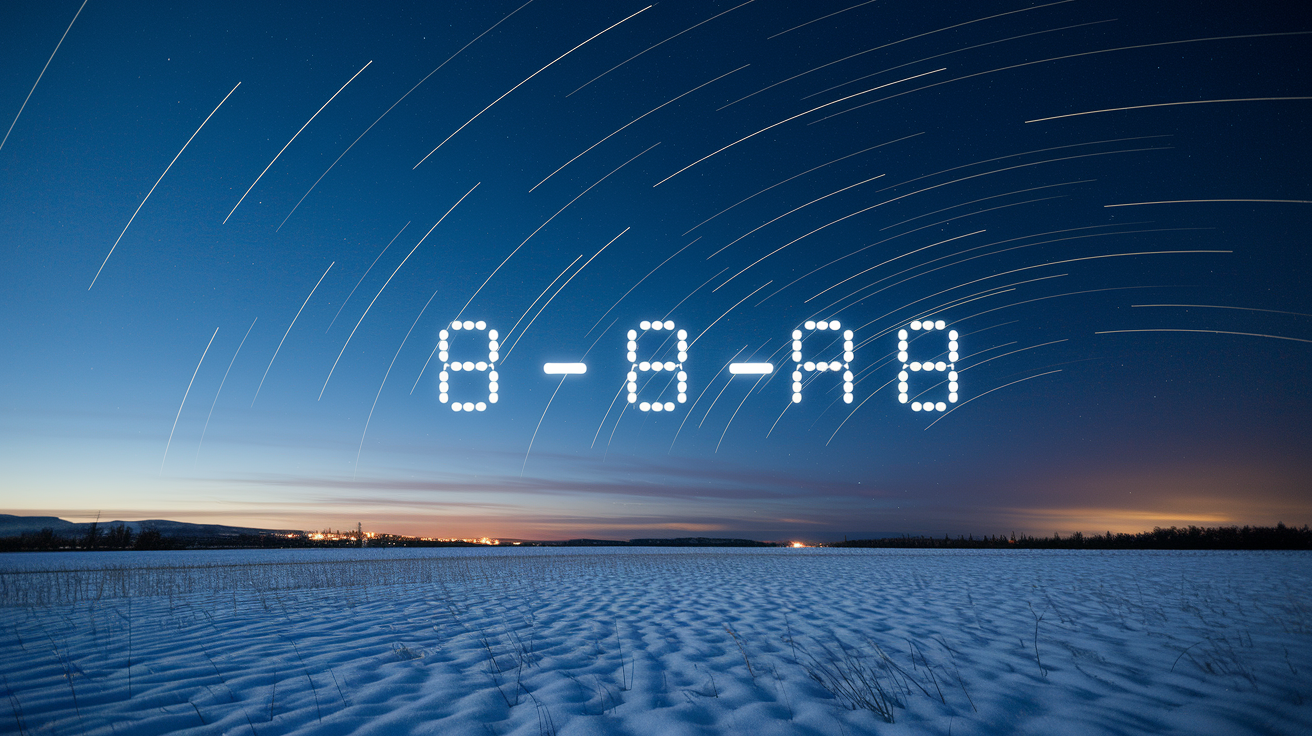
The Quadrantids run from late December through mid-January each year. Activity usually starts around December 28 and fades out by January 12. But here’s the thing: unlike other meteor showers that put on a decent show for several nights, the Quadrantids compress everything into a brutally short window. Six to eight hours, max. Usually overnight between January 3 and 4.
Timing is everything.
The shower’s zenithal hourly rate hits around 120. That’s a theoretical number assuming perfect conditions with the radiant straight overhead. Real-world counts? Lower. Under genuinely dark skies with good radiant placement, experienced observers might briefly catch up to 100 meteors per hour right at peak. Most people see closer to 25 per hour. And that’s if you’re lucky. Moonlight, light pollution, and how high the radiant sits in your sky all drag those numbers down hard. The 2026 peak happens under a full moon, which will kill visibility. 2027’s waning crescent near new moon? Much better.
The radiant comes up around 11:30 PM local time. Best meteor counts happen after midnight, especially in the hours before dawn on January 4 when the radiant’s highest. Miss the peak by even a few hours and you’ll see a handful of meteors instead of dozens. The Quadrantids are unforgiving that way.
What you need to know about timing:
- Active dates: December 28 through January 12
- Peak duration: only 6 to 8 hours of maximum rates, typically late January 3 into pre-dawn January 4
- Realistic hourly rates: around 25 meteors per hour under dark skies near peak; up to roughly 100 per hour briefly in ideal conditions
- Best viewing window: after midnight until dawn on January 4, highest rates in the two hours before sunrise
- Moon interference: full or nearly full moon at peak can cut visible counts to fewer than 15 meteors per hour
Understanding the Quadrantid Radiant and Its Location in the Sky
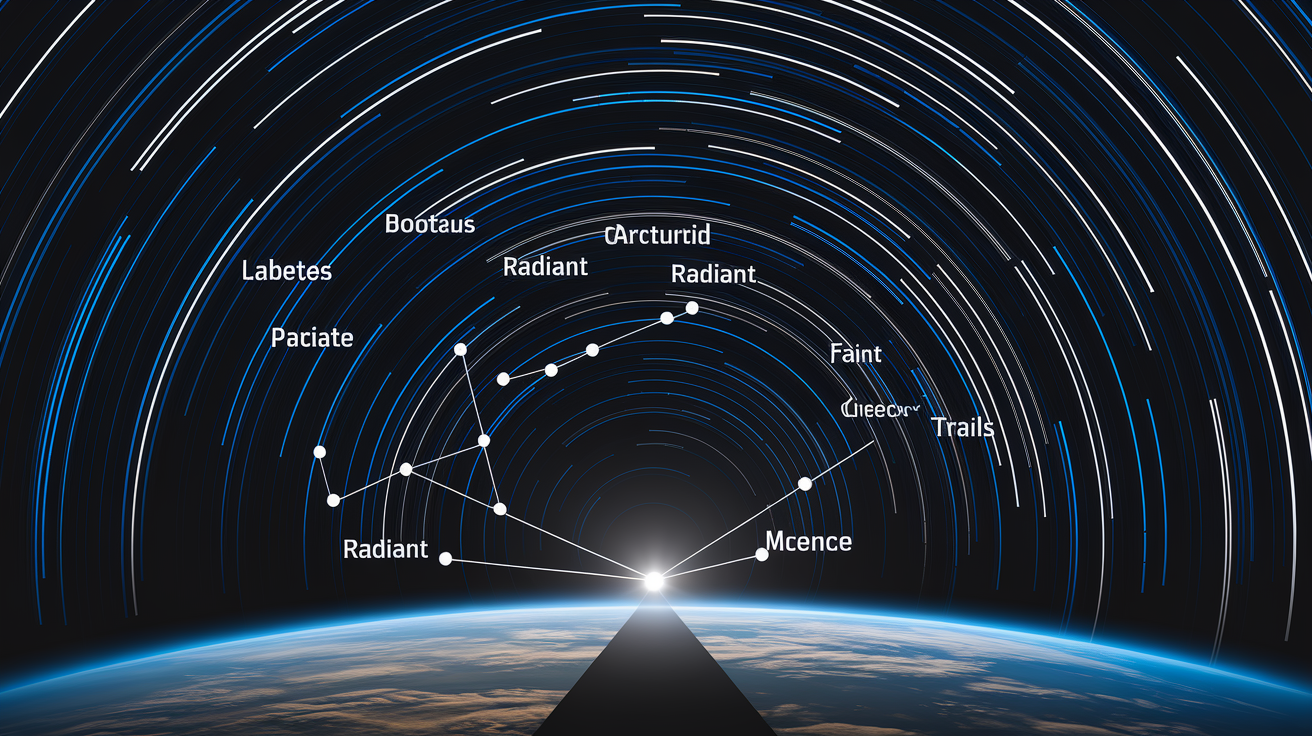
The radiant sits in the constellation Boötes. The shower’s name? That comes from Quadrans Muralis, an obsolete constellation created in 1795 and tossed off the official sky map in 1922. The radiant now sits about 9.5 degrees north of the star Nekkar in Boötes.
Finding it with your eyes is pretty easy. Start with the Big Dipper. Follow the arc of the Dipper’s handle across the sky until you hit Arcturus, that bright orange star at the base of Boötes. The Quadrantid radiant sits in the area north-northeast of Arcturus, rising in the northeastern sky after about 11:30 PM and climbing higher through the night.
Don’t stare directly at the radiant, though. Meteors near it look short and faint because you’re seeing them almost head-on. The longer, more dramatic trails? Those appear farther from the radiant.
Star-hopping to the radiant:
- Face north and find the Big Dipper (if it’s below your horizon, wait a bit longer).
- Trace the curve of the Dipper’s handle outward and down to Arcturus, the brightest star in that section of sky.
- From Arcturus, look slightly north and upward. That region, within Boötes, hosts the radiant.
- Let your eyes wander. Don’t fixate on one spot. Meteors appear in all directions, with the longest trails visible away from the radiant.
Where the Quadrantid Meteor Shower Is Visible Around the World
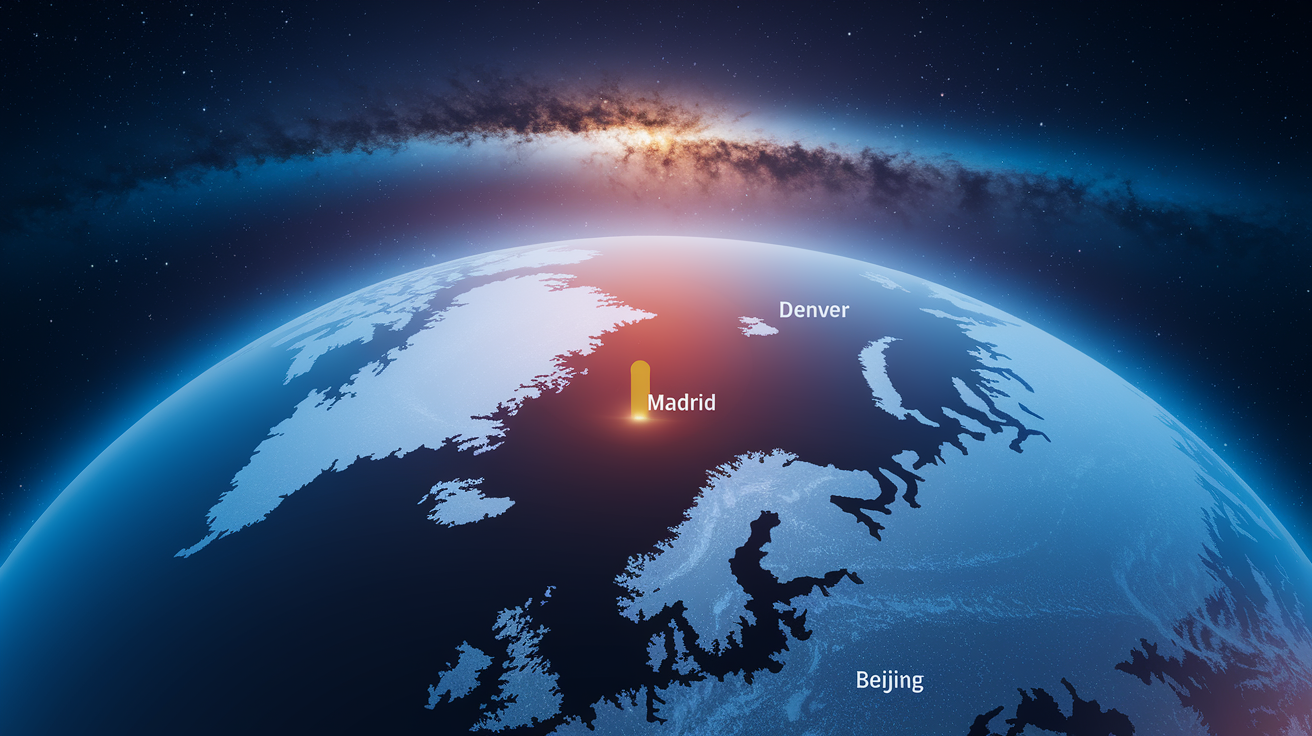
Northern Hemisphere observers have a massive advantage. The radiant’s far-northern position means it climbs higher in the sky for mid to high northern latitudes. North America, Europe, and northern Asia get the best show. Countries near or above 40 degrees north latitude (think Denver, Madrid, Beijing) enjoy excellent visibility, especially when the radiant rises well above the horizon before dawn.
Southern Hemisphere? You’re mostly out of luck. The radiant barely pokes above the northern horizon for viewers in southern temperate zones and stays completely below the horizon for anyone farther south. Sydney, Buenos Aires, Cape Town… you might catch an occasional Quadrantid low in the northern sky, but rates will be sparse. Way below the peak numbers.
Regional breakdown:
- Northern Hemisphere (40°N and above): Excellent visibility. Radiant rises high, strong rates at peak.
- Northern Hemisphere (20°N to 40°N): Good visibility. Radiant lower but still productive in the pre-dawn hours.
- Equatorial regions (20°N to 20°S): Marginal. Radiant stays low on the northern horizon. Expect reduced counts.
- Southern Hemisphere (below 20°S): Poor to none. Radiant near or below the horizon. Only sporadic meteors visible.
How to Observe the Quadrantids Effectively
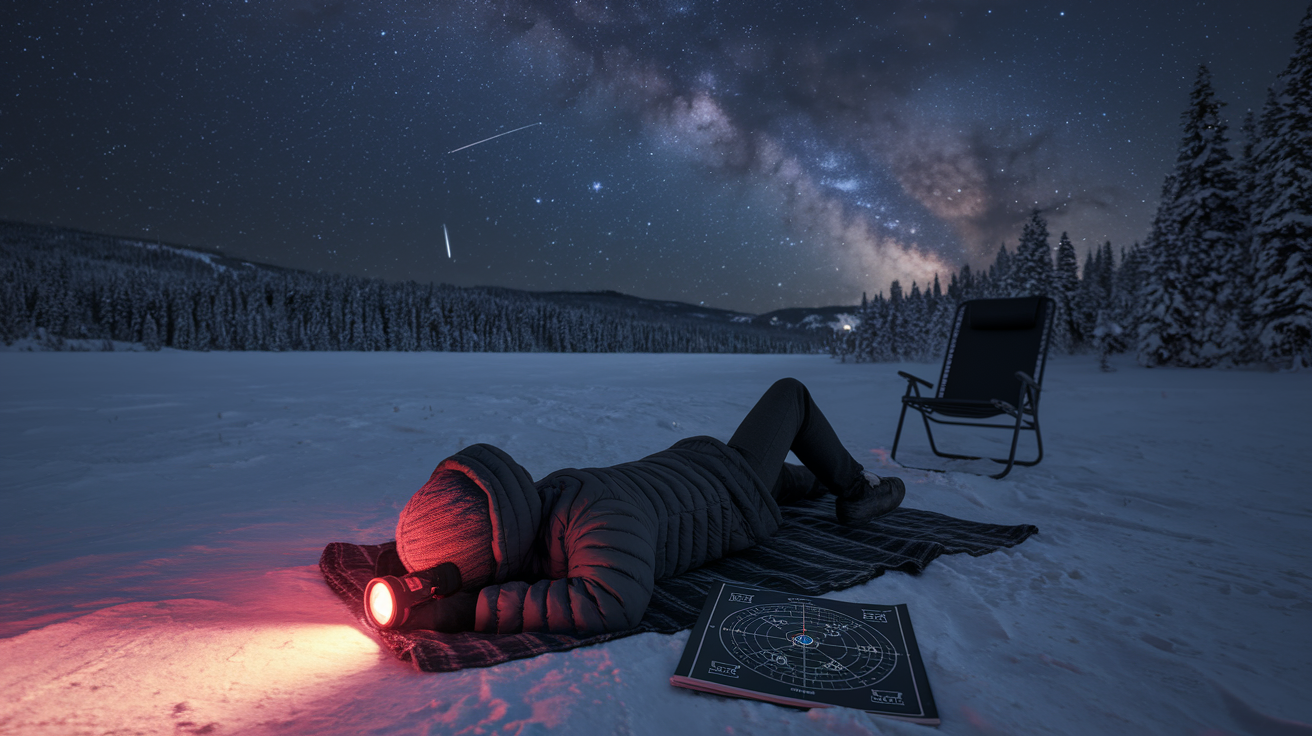
Use your eyes. Not a telescope, not binoculars. Meteors streak across huge chunks of sky, and optical instruments wreck your field of view. Find a dark site away from city lights, lie back in a reclining lawn chair or on a blanket, and take in as much sky as you can.
Give your eyes time to adjust. Full dark adaptation takes 20 to 30 minutes. A quick glance at your phone screen resets the whole process. If you need light, use a dim red headlamp to keep your night vision intact. Once adapted, aim your gaze roughly 40 degrees away from the radiant instead of staring at Boötes. Meteors farther from the radiant show longer, more visible trails.
Light pollution and moonlight are your biggest enemies. A bright moon or urban skyglow can cut your visible meteor count from dozens per hour down to just a few. The Quadrantids’ narrow peak makes this even worse. If conditions are bad during those critical six hours, you don’t get a second chance until next year.
Observing checklist:
- Pick the darkest site you can safely reach, far from streetlights and buildings.
- Dress in layers. January predawn temperatures can drop well below freezing in many places.
- Bring a reclining chair or thick blanket. Comfort matters during long watches.
- Allow 20 to 30 minutes for full dark adaptation.
- Skip white lights. Keep a red headlamp handy if needed.
- Plan to observe after midnight and especially before dawn on January 4.
Quadrantid Meteor Appearance: Brightness, Colors, and Fireballs
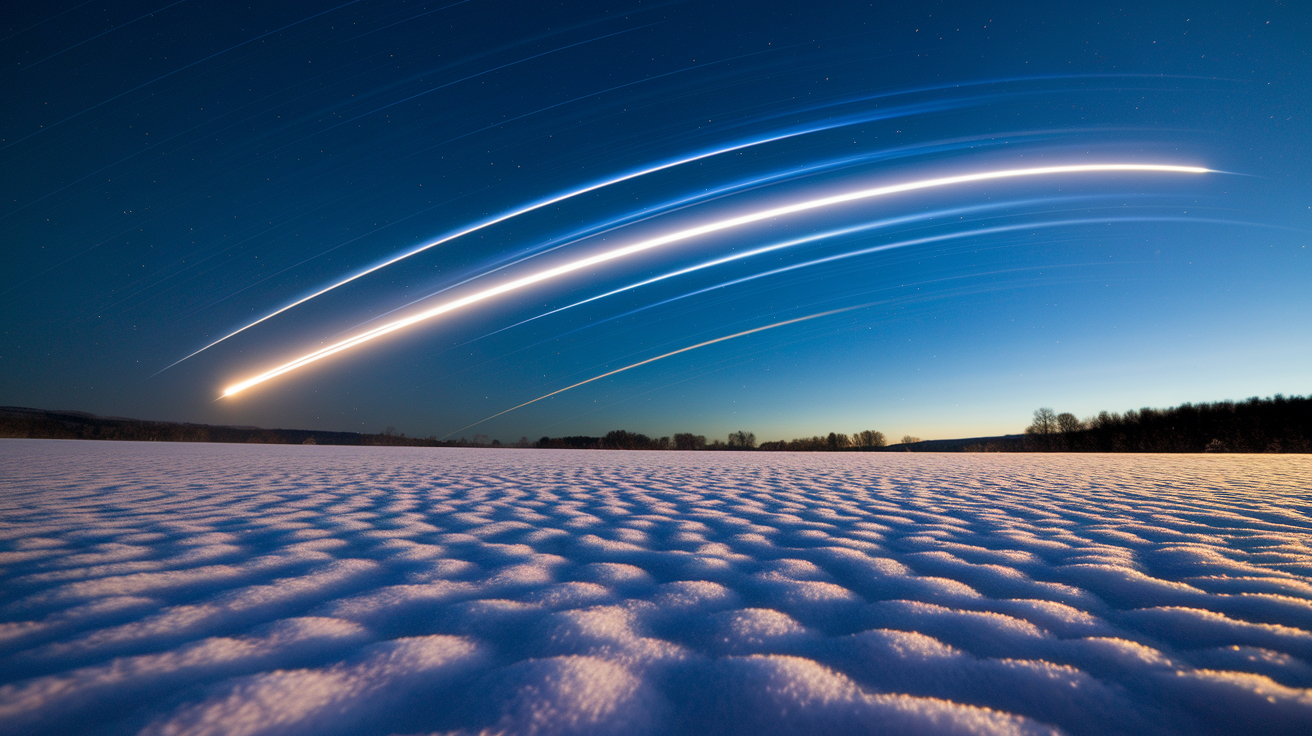
Most Quadrantids are pretty faint. Typical peak-activity meteors come in dimmer than magnitude +3, about as bright as the fainter stars in the Big Dipper. That’s why dark skies and good timing matter so much. A washed-out sky hides the majority of shower members, leaving only the brightest few visible.
When Quadrantids do flare brightly, they tend toward white to blue colors. That’s a signature of their high entry speed and magnesium-rich composition. These colors flash briefly as the meteoroid (a small chunk of rocky or icy debris) burns up in Earth’s upper atmosphere, typically between 50 and 80 miles up.
The Quadrantids throw more fireballs than many other annual showers. These exceptionally bright meteors can outshine planets, cast shadows, leave glowing trains that linger for a second or two. Fireballs are unpredictable, but the Quadrantids’ dense stream and particle size distribution make brilliant meteors more common than in showers like the Perseids or Geminids. If you catch an unusually bright meteor during the peak, you’ve probably just witnessed a Quadrantid fireball. “Before the meteor faded, it lit up the snow-covered field like a camera flash, bright enough to see my breath in the sudden glow.”
The Science Behind the Quadrantid Stream and Its Parent Body
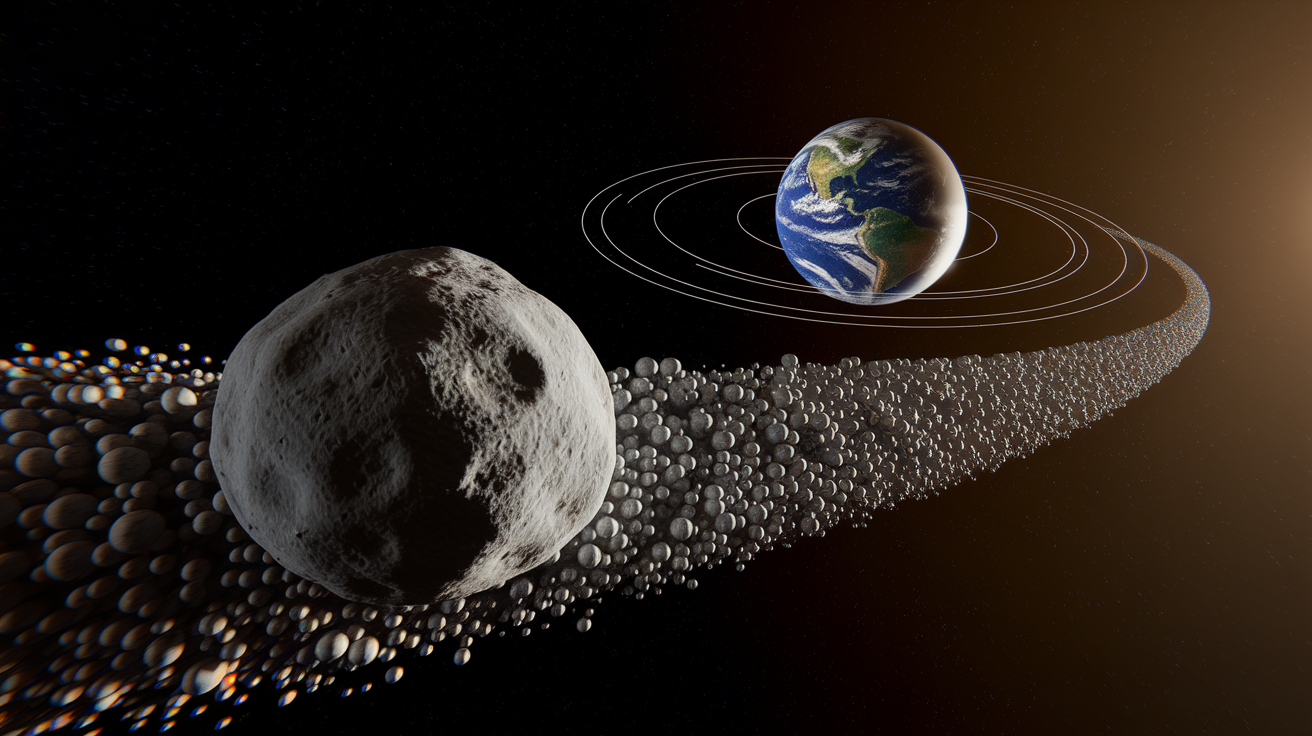
The Quadrantid meteor shower comes from debris left behind by asteroid 2003 EH1, a small rocky body discovered in March 2003 by the Lincoln Near-Earth Asteroid Research (LINEAR) survey. Orbital analysis quickly linked 2003 EH1 to the Quadrantid stream. Most researchers now think it’s a dormant or extinct comet, a “rock comet” that’s shed its volatile ices over many passes near the Sun, leaving only a dark, inert core.
The narrow, intense peak suggests the debris stream is young and still relatively compact. Unlike older, spread-out streams that produce steady activity over many nights, Quadrantid particles remain bunched together in space. Earth intersects the densest part of the cloud in just a few hours each January. Some researchers propose a connection between 2003 EH1 and a comet observed in historical records in 1490, known as C/1490 Y1. That link remains speculative and is still being investigated.
Orbital Characteristics and Fragmentation History
Asteroid 2003 EH1 follows an orbit with a period of roughly 5.5 years. Its perihelion (closest approach to the Sun) sits at about 1.2 astronomical units (AU), just beyond Earth’s orbit. This places it in a category of objects that may have started as comets captured into short-period orbits, possibly through gravitational interactions with Jupiter.
One idea: 2003 EH1 is a fragment from a larger parent comet that broke apart centuries ago, scattering debris that now forms the Quadrantid stream. Some astronomers link it to a broader group called the Machholz Complex, a proposed family of comets and asteroids sharing similar orbits and possibly descended from a single large comet that fragmented between roughly 100 CE and 950 CE. If that’s true, the Quadrantids would be one of several related meteor showers and minor bodies produced by that ancient breakup event. The details are still being pieced together through ongoing observations and computer modeling.
Historical Background of the Quadrantid Meteor Shower
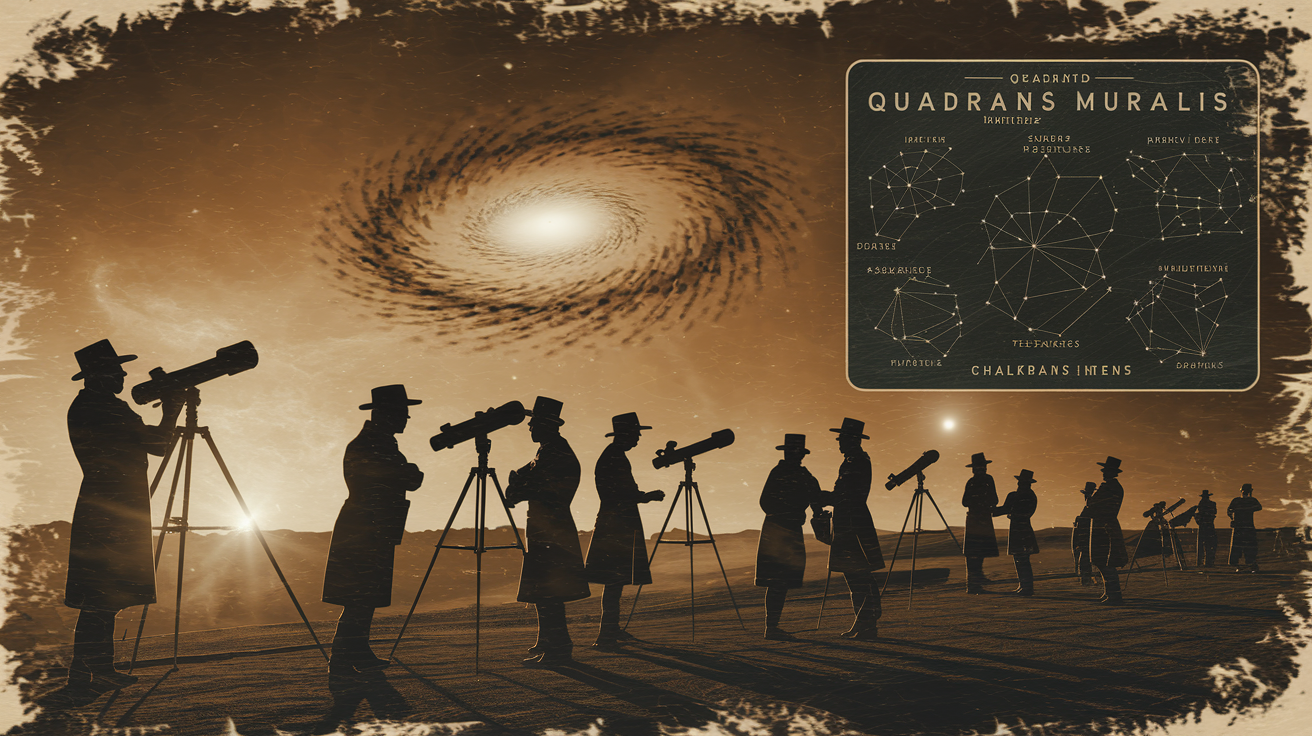
The first documented observation of concentrated Quadrantid activity happened in early January 1825. Observers at the time didn’t yet recognize it as an annual event. Over the next 14 years, additional sightings piled up. By the late 1830s, two astronomers independently suggested the shower returned each year, establishing it as a predictable thing.
The shower’s unusual name comes from Quadrans Muralis, a now-defunct constellation created in 1795 by French astronomer Jérôme Lalande. Quadrans Muralis (meaning “mural quadrant,” after a wall-mounted angle-measuring instrument used in early observatories) occupied a patch of sky between the modern constellations Boötes and Draco.
When the International Astronomical Union standardized the list of 88 official constellations in 1922, Quadrans Muralis got cut. Its stars were reassigned to neighboring constellations. The Quadrantid meteor shower kept the historical name, preserving a link to an obsolete piece of celestial cartography. Today, the radiant sits firmly in Boötes, but the shower’s name remains a reminder of earlier ways of organizing the night sky. “The Quadrantids are meteor astronomy’s tribute to a constellation that no longer exists, a sky map footnote turned annual celestial event.”
Photography Tips for Capturing the Quadrantid Meteor Shower
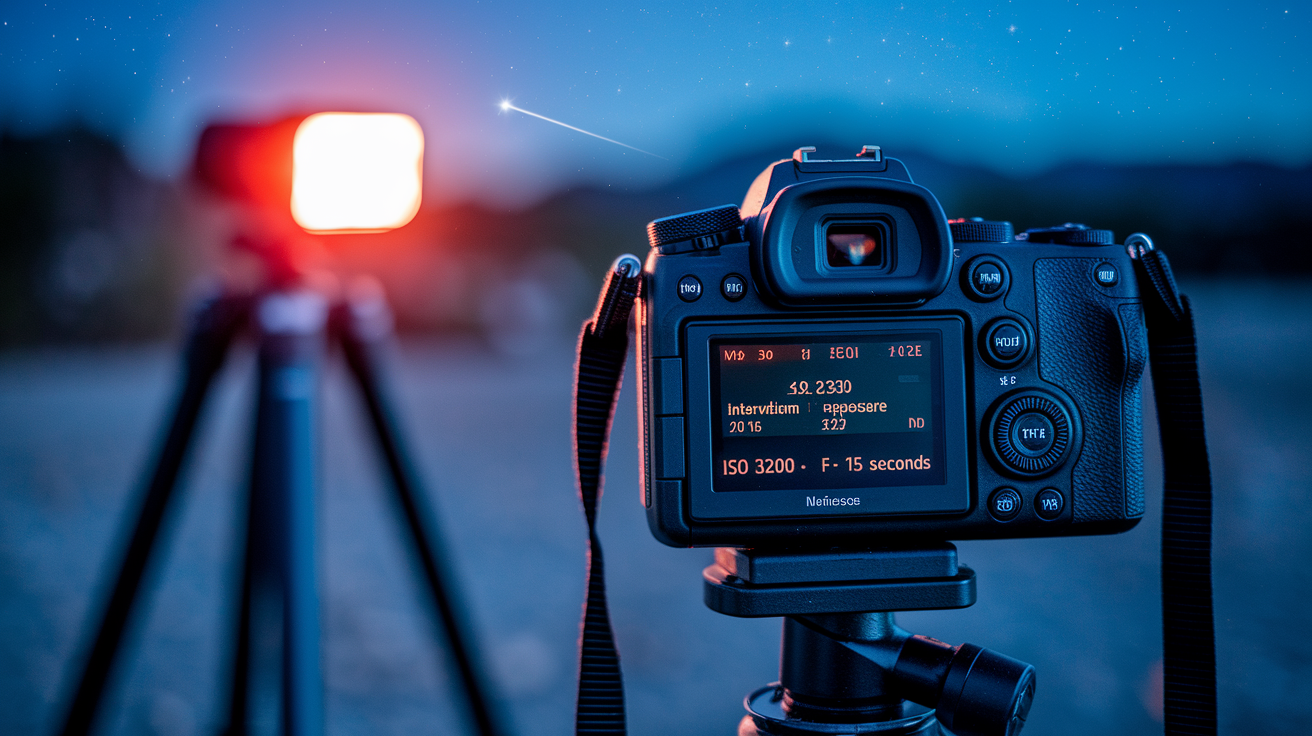
Photographing the Quadrantids doesn’t require a telescope or tracking mount. Just a camera capable of long exposures, a sturdy tripod, and patience. Use a wide-angle lens to cover as much sky as possible, increasing the chance a meteor will streak through your frame. A lens with a focal length between 14mm and 35mm (full-frame equivalent) works well, capturing both meteors and foreground landscape elements that add context and visual interest.
Set your camera to manual mode. Pick settings that balance light-gathering with acceptable image quality. A high ISO (1600 to 3200) makes the sensor more sensitive to faint meteors and stars. A wide aperture (f/2.8 or wider if available) lets in more light. Shutter speeds between 15 and 30 seconds are typical. Longer exposures collect more photons but also let stars trail noticeably if you’re shooting a static tripod setup, and they increase the chance of picking up light pollution or passing clouds.
Use an intervalometer or your camera’s built-in interval timer to take continuous frames throughout the night. This “spray and pray” approach maximizes your chances of catching a bright meteor, since you can’t predict exactly when or where one will appear. Keep spare batteries warm in an inside pocket. Cold January temperatures drain battery life fast. Check your lens periodically for condensation, which can fog the image. If dew or frost forms, gently wipe the front element and consider using a lens hood or a makeshift dew shield.
| Setting | Recommendation |
|---|---|
| ISO | 1600 to 3200 (balance sensitivity and noise) |
| Shutter Speed | 15 to 30 seconds (short enough to limit star trailing, long enough to capture meteors) |
| Aperture | f/2.8 or wider (gather maximum light) |
| Lens Type | Wide-angle (14 to 35mm full-frame equivalent) to cover large sky area |
| Exposure Strategy | Continuous frames via intervalometer; review and adjust as needed |
Final Words
Right in the action: the Quadrantid peak is brief—only a few hours around late Jan 3–4—so pick your pre-dawn window and a dark site.
This post covered precise timing, how to locate the radiant in Boötes, realistic hourly rates versus ZHR, the role of moonlight and horizon clearance, practical observing and photography tips, and what the parent body reveals about the stream.
With a warm coat, a reclining chair, and the right timing, the quadrantid meteor shower can still reward you with bright streaks and the occasional fireball—worth a night outside.
FAQ
Q: What time is the Quadrantid meteor shower and what time should I go out to watch the meteor shower?
A: The Quadrantid meteor shower runs December 28–January 12, peaking in a narrow 6–8 hour window, typically late January 3 into pre-dawn January 4; best viewing is after midnight until dawn.
Q: Where can I watch the Quadrantid meteor shower?
A: You can watch the Quadrantid meteor shower from dark Northern Hemisphere sites with a clear NNE-to-north horizon; lie back after midnight, avoid light pollution and moonlight, and allow 20–30 minutes for dark adaptation.
Q: What time is the meteor shower on July 29th?
A: The Quadrantid meteor shower is not on July 29; it occurs late December to mid-January, peaking early January. If you mean a different shower on July 29, name it for a specific time.